I still remember the first time I tried making French toast at home. It looked perfect in the pan, but the inside turned out wet and heavy. That moment taught me one thing. French toast is simple, but small mistakes can ruin it.
Many people face the same issue. The toast looks golden brown outside but stays soggy inside. Others end up with dry slices that lack flavor. This happens when the balance between the custardy batter, heat, and bread is off.
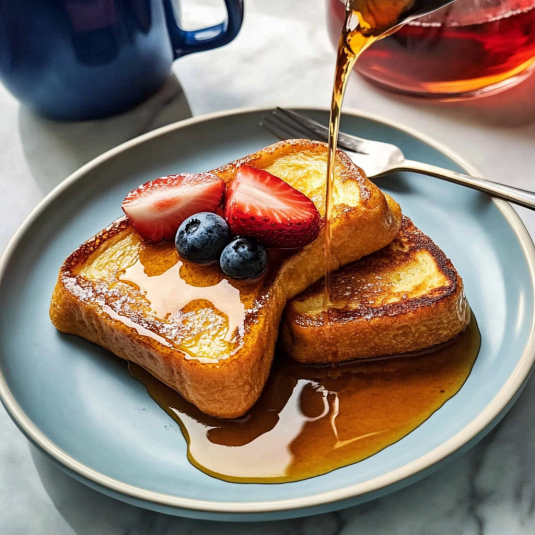
This guide gives you an easy French toast recipe that works every time. It is simple enough for beginners but detailed enough for anyone who wants that soft center and light crisp edge you get in a good café.
Table of Contents
Bread Comparison Table: Brioche vs Challah vs Sourdough
Adding a clear comparison helps you choose the right bread fast. It also highlights how each option affects your final result.
| Bread Type | Taste | Texture | Absorption Level |
|---|---|---|---|
| Brioche | Buttery, slightly sweet | Soft and rich | High |
| Challah | Mild, lightly sweet | Light and airy | Medium to High |
| Sourdough | Slightly tangy | Firm and chewy | Medium |
Quick Insight
- Brioche gives the most rich and soft result
- Challah offers a balanced texture and flavor
- Sourdough works best if you want a less sweet and firmer bite
Choosing the Right Bread for French Toast
The bread you choose can make or break your French toast. Even with a perfect batter, the wrong bread will give you soggy or flat results.
For the best outcome, go with brioche or challah. These breads are soft but strong enough to hold the custard. They soak up the mixture well without falling apart. This is why many people search for a french toast recipe brioche when they want top results at home.
Why Brioche and Challah Work Best
- Brioche has a rich, buttery texture. It creates a soft center with a slightly crisp edge when cooked.
- Challah is light and airy. It absorbs the custard evenly and gives a balanced bite.
Both options help you get that fluffy inside and golden brown outside.
Other Bread Options You Can Use
If brioche or challah is not available, you can still make great French toast with:
- Texas Toast for thick and sturdy slices
- Sourdough for a firmer texture and slight tang
- Regular white bread for a simple and budget-friendly choice
Each type gives a slightly different texture, but the method stays the same.
The Pro Tip Most People Miss
Always use stale or day old bread.
Fresh bread holds too much moisture. When dipped into the custard, it becomes too soft and breaks apart. Slightly dry bread absorbs just enough liquid while keeping its shape.
If your bread is fresh, you can fix it:
- Leave slices out for a few hours
- Or toast them lightly before dipping
Thickness Matters
Cut your bread about 1.5 to 2 cm thick. Thin slices cook too fast and turn dry. Thick slices give you that soft, rich center that defines homemade French toast.
The Secret Custard Ingredients
The custard is what gives French toast its rich texture and flavor. If the mixture is too thin, the bread turns soggy. If it is too thick, the toast feels dry. Getting the balance right is key.
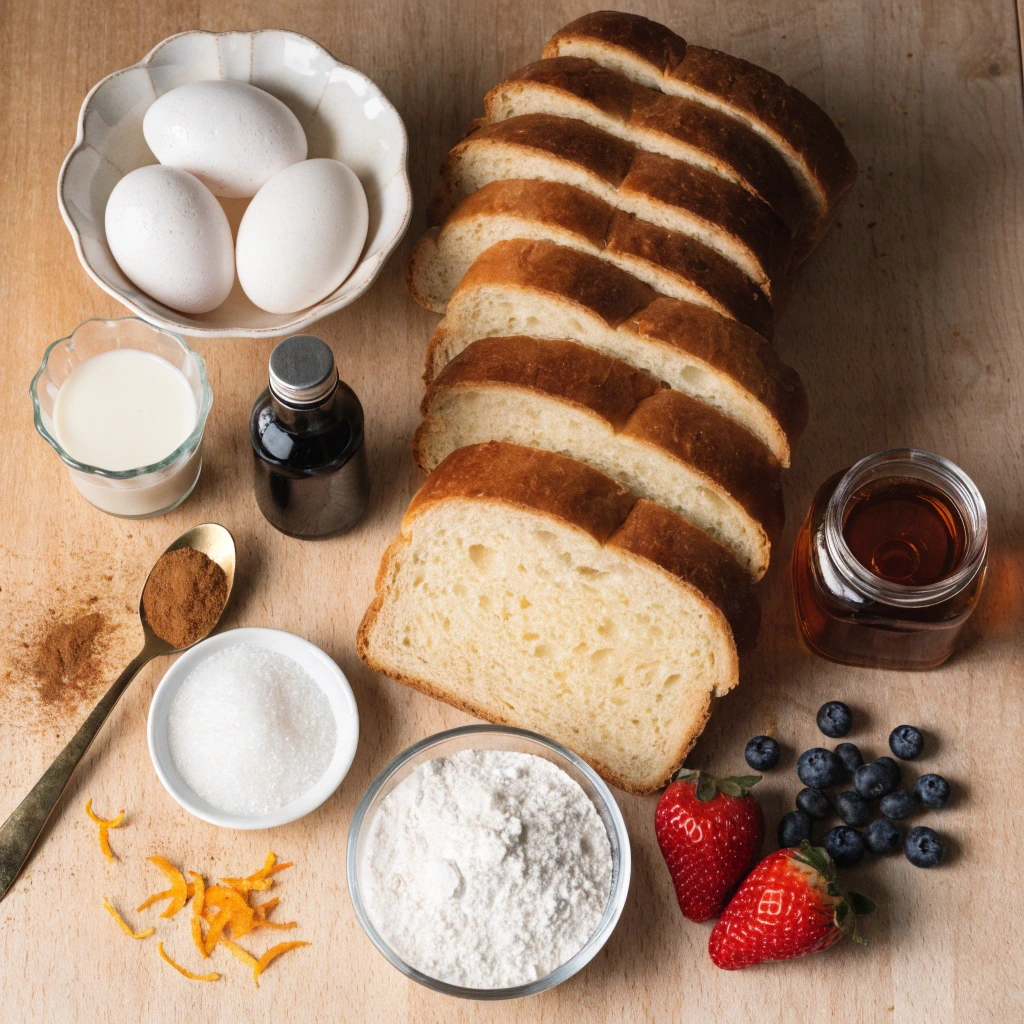
A strong french toast recipe with flour solves a common problem. It creates a light coating that cooks into a soft center with a slight crust outside.
The Core Ingredients You Need
Start with a simple base:
- Eggs for structure
- Whole milk or heavy cream for richness
- Vanilla extract for aroma
- Ground cinnamon and a pinch of nutmeg for warmth
- Sugar for sweetness and light caramel color
Whisk everything until smooth. Proper whisking helps combine the eggs and milk into a uniform custardy batter.
The Secret Ingredient That Changes Everything
Add one tablespoon of flour to the mixture.
This small step makes a big difference:
- It thickens the batter slightly
- It helps the coating stick better to the bread
- It reduces the egg-heavy taste that some people dislike
The result is a more balanced texture that feels soft inside but not wet.
Milk vs Heavy Cream
Your choice of liquid affects the final texture:
- Whole milk gives a lighter and softer result
- Heavy cream creates a richer and more dense texture
You can also mix both to get a middle ground.
Sugar Is Not Just for Sweetness
Sugar does more than add flavor. When the toast cooks, it helps form a light golden crust on the surface. This is what gives French toast that slight crisp edge.
Final Mixing Tip
Do not rush the mixing step. Whisk until the batter looks smooth with no lumps. A well-mixed custard spreads evenly on the bread and cooks more consistently.
Pro Tip: How to Remove the Egg Smell in French Toast
One detail that separates average French toast from a great one is the smell. Many people dislike that strong egg scent, especially if the balance in the batter is off.
Simple Fix That Works Every Time
Use one of these:
- Fresh orange zest
- High-quality liquid vanilla extract
These two ingredients help mask the egg smell and add a clean, pleasant aroma.
Why This Works
- Orange zest adds a light citrus note that refreshes the flavor
- Liquid vanilla extract blends smoothly into the batter and softens the egg taste
Avoid using vanilla powder. It does not mix as well and gives a weaker result.
How to Add It
- Add a small pinch of orange zest to the batter
- Or use 1 teaspoon of liquid vanilla extract
Step-by-Step: How to Make it Perfect
This is where everything comes together. Follow these steps closely to get the french toast recipe best results with a soft center and golden brown surface.
1. Prepare the Pan
Place a nonstick skillet or griddle on medium heat. Let it warm up slowly.
Add:
- A small piece of butter
- A few drops of oil
Golden Tip: Choose the Right Pan for Better Results
Most people focus only on ingredients, but the pan plays a big role in texture.
Cast Iron vs Nonstick Skillet
- Cast Iron Pan
Holds heat very well and gives a deeper golden crust. It is the best choice if you want extra crisp edges and a more restaurant-style result. - Nonstick Skillet
Easier to use and clean. It works well for beginners and helps prevent sticking, especially when cooking multiple batches.
Simple Rule
- Use cast iron if you want more crisp and color
- Use a nonstick skillet if you want ease and control
2. Dip the Bread Correctly
Place one slice of bread into the custardy batter.
- Soak for about 3 to 5 seconds per side
- Do not leave it too long
The bread should absorb the mixture but still hold its shape.
3. Cook on Medium Heat
Transfer the soaked bread to the pan.
- Cook for about 2 to 3 minutes per side
- Adjust heat if needed
If the toast browns too fast, lower the heat slightly. This allows the center to cook without burning the outside.
4. Look for the Right Color and Texture
Your French toast should be:
- Golden brown on the outside
- Soft but not wet inside
Press the center gently. It should feel springy, not soft or soggy.
5. Repeat Without Overcrowding
Cook in small batches.
Avoid placing too many slices in the pan at once. This keeps the heat steady and gives each slice space to cook evenly.
6. Keep Finished Slices Warm
Place cooked slices in the oven at 200°F to 250°F on a wire rack.
This keeps them warm while staying crisp. A flat surface can trap steam and make them soft.
7. Serve Immediately
Top your French toast with:
- Maple syrup
- Powdered sugar
- Fresh berries like strawberries or blueberries
- Whipped cream
Serve while warm for the best taste and texture.
Special Dietary Tweaks and Substitutions
You can still enjoy French toast even if you avoid certain ingredients. This section covers simple swaps that keep the texture and flavor close to the original.
French Toast Recipe Without Milk
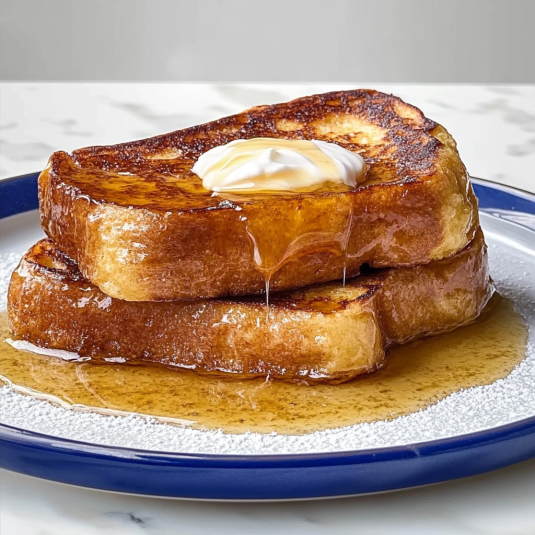
If you need a french toast recipe without milk, replace dairy with plant-based options.
Good alternatives include:
- Almond milk for a light and mild taste
- Oat milk for a creamy texture
- Coconut milk for a richer flavor with a slight tropical note
Use the same amount as regular milk. These options blend well with vanilla extract and spices like ground cinnamon.
Egg-Free Option
If you do not eat eggs, you can still make a solid version.
Mix:
- 1 cup plant-based milk
- 1 tablespoon cornstarch
- 1 teaspoon vanilla extract
- A small amount of sugar
This mixture helps coat the bread and gives a soft inside once cooked.
Lower Sugar Option
If you want less sweetness:
- Reduce the sugar in the batter
- Skip powdered sugar on top
- Use fresh fruit like berries for natural sweetness
This keeps the flavor balanced without losing texture.
Gluten-Free Option
Use gluten-free bread that is slightly dry. Many gluten-free breads are soft, so letting them sit out for a while helps them hold the batter better.
Flavor Variations
You can adjust the taste based on what you like:
- Add orange zest for a fresh citrus note
- Use brown sugar for a deeper flavor
- Try a pinch of nutmeg for extra warmth
Scaling Down: Cooking for Yourself
Not everyone wants to cook a large batch. Sometimes you just want a quick breakfast without extra leftovers. This french toast recipe for one gives you the same great texture in a smaller portion.
Single Serving Ratio
Use this simple mix:
- 1 egg
- 1/4 cup milk or cream
- 1/2 teaspoon vanilla extract
- A pinch of ground cinnamon
- 1 to 2 teaspoons sugar
- 2 slices of bread
Whisk everything until smooth to create a balanced custardy batter.
How to Cook a Small Batch
The method stays the same, just scaled down:
- Heat a nonstick skillet on medium
- Add a small amount of butter with a drop of oil
- Dip each slice for 3 to 5 seconds per side
- Cook for about 2 to 3 minutes per side
Watch the heat closely. A smaller batch cooks faster, so adjust if needed.
Why This Works Well
This portion keeps the right balance between egg and liquid. It prevents soggy toast and keeps the texture soft inside with a light crisp surface.
It also reduces waste. You use only what you need and still get that classic French toast result.
Quick Serving Ideas
Even a small portion can feel special. Try topping your toast with:
- Maple syrup
- Fresh berries
- A light dust of powdered sugar
- A spoon of whipped cream
Troubleshooting and FAQs
Why is my French toast soggy?
This usually happens for two reasons:
Too much liquid in the batter
Heat is too low
Use a balanced ratio of eggs to milk and cook on medium heat. Also, avoid soaking the bread too long.
Can I freeze French toast?
Yes, and it works well.
Here is a simple method:
Let the slices cool completely
Place them on a tray in a single layer and freeze
Once frozen, store them in a sealed bag
This keeps the texture intact and prevents sticking.
How do I reheat French toast?
Skip the microwave. It makes the toast soft.
Better options:
Toaster for a quick crisp finish
Air fryer at 325°F for about 5 minutes
Both methods help bring back the golden texture.
What bread is best for French toast?
Brioche and challah are the top choices. They absorb the batter well and keep a soft center without falling apart.
How to make French toast so it is not soggy in the middle?
Use slightly dry bread
Dip for only a few seconds
Cook at steady medium heat
Also, check doneness by pressing the center. It should feel springy.
What is the ratio of milk to eggs for French toast?
A good base ratio is:
1 egg for every 1/4 cup milk
This keeps the batter rich without becoming too thin.
Is it better to use milk or heavy cream?
Both work well:
Milk gives a lighter texture
Heavy cream gives a richer result
You can mix them for balance.
What is the secret ingredient in French toast?
A small amount of flour in the batter helps create a better coating and improves texture. It also reduces the strong egg taste.
Do I toast bread before making French toast?
Only if the bread is very fresh. Light toasting helps dry it out slightly so it absorbs the batter without turning soggy.

French toast recipe
- Total Time: 15 minutes
- Yield: 1 serving 1x
Description
This easy French toast recipe gives you a soft custardy center with a light crisp edge. Simple to follow and perfect for beginners who want café-style results at home.
Ingredients
- 2 slices brioche or challah bread (slightly stale)
- 1 egg
- 1/4 cup whole milk or heavy cream
- 1/2 teaspoon vanilla extract
- 1 to 2 teaspoons sugar
- 1 tablespoon flour
- Pinch of ground cinnamon
- Pinch of nutmeg
- Butter for cooking
- Few drops of oil
Instructions
- Preheat a nonstick skillet or griddle over medium heat.
- Add a small piece of butter and a few drops of oil.
- In a bowl, whisk together egg, milk, vanilla extract, sugar, flour, cinnamon, and nutmeg until smooth.
- Dip each slice of bread into the mixture for 3 to 5 seconds per side.
- Place the soaked bread onto the pan.
- Cook for 2 to 3 minutes per side until golden brown.
- Adjust heat if needed to avoid burning.
- Repeat with remaining slices without overcrowding the pan.
- Keep cooked slices warm in a low oven if needed.
- Serve immediately with your favorite toppings.
Notes
Use day-old bread for best results. Do not over-soak the bread. Cook on medium heat to ensure a soft inside without a soggy texture.
- Prep Time: 5 minutes
- Cook Time: 10 minutes
- Category: Breakfast
- Method: Stovetop
- Cuisine: French
Nutrition
- Serving Size: 1 serving
- Calories: 250
- Sugar: 8g
- Sodium: 220mg
- Fat: 12g
- Saturated Fat: 6g
- Unsaturated Fat: 5g
- Trans Fat: 0g
- Carbohydrates: 28g
- Fiber: 1g
- Protein: 9g
- Cholesterol: 120mg