Fresh coffee and warm cinnamon filling create one of the most comforting smells you can bring into a kitchen. The first time I tested these coffee cinnamon rolls, I wanted more than a classic sweet breakfast bun with coffee icing on top. I wanted deep espresso flavor in every single layer.
That idea changed the entire recipe.
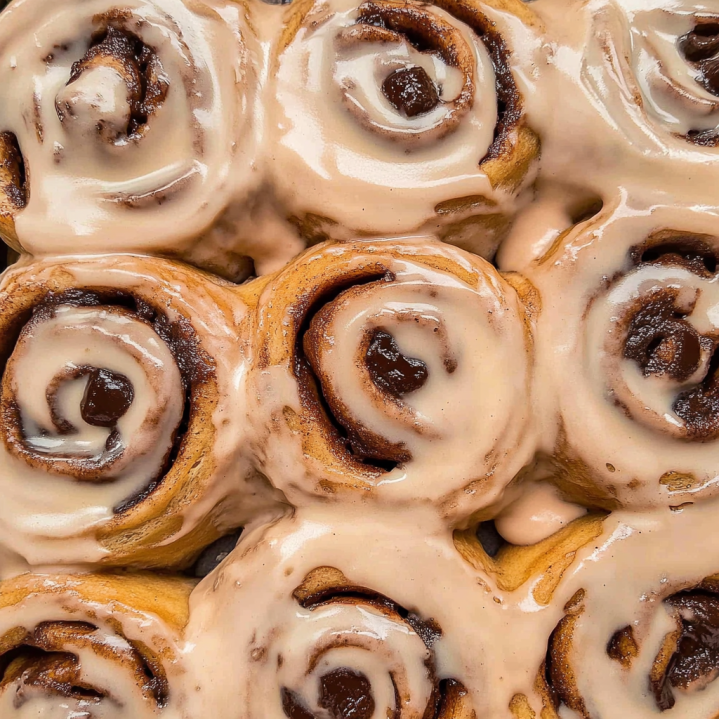
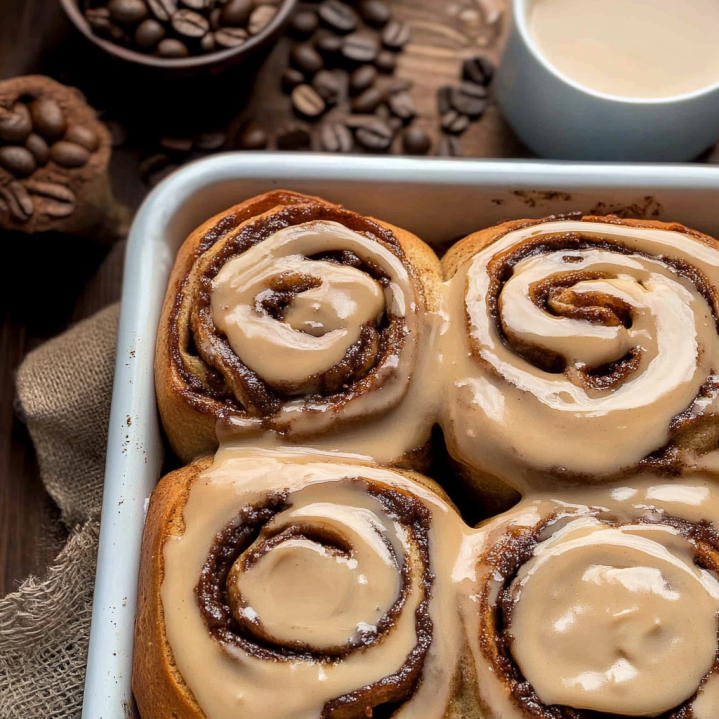
These coffee cinnamon rolls use a three-layer coffee infusion method. Strong brewed coffee goes into the dough, espresso powder blends into the cinnamon sugar filling, and a maple espresso cream cheese frosting finishes the rolls with a rich café-style flavor. Every bite tastes like a warm cinnamon latte fresh from a bakery.
If you love cozy bakery-style breakfast recipes, you may also enjoy these soft and aromatic London Fog Rolls made with comforting tea latte flavors.
Table of Contents
What Exactly Is a Coffee Cinnamon Roll?
A coffee cinnamon roll is a soft yeast roll packed with real coffee flavor inside the dough, filling, and frosting. Unlike classic cinnamon rolls that only use cinnamon sugar and vanilla icing, this version brings together deep espresso notes and warm bakery spices in one rich pastry.
Many people ask if coffee rolls are the same as cinnamon rolls. The answer is no.
Traditional cinnamon rolls focus mainly on butter, brown sugar, and cinnamon. Coffee cinnamon rolls take that base recipe and add roasted coffee flavor throughout the entire bake. The result tastes similar to a cinnamon latte from a coffee shop, but in soft homemade pastry form.
Fans of café-inspired desserts also love this rich and fluffy Brown Sugar Latte Cake for its warm espresso and caramel-style flavors.
The flavor works so well because coffee naturally balances sweet ingredients. Espresso powder adds slight bitterness that keeps the filling from tasting overly sugary. It also strengthens the warm flavor of cinnamon and cardamom.
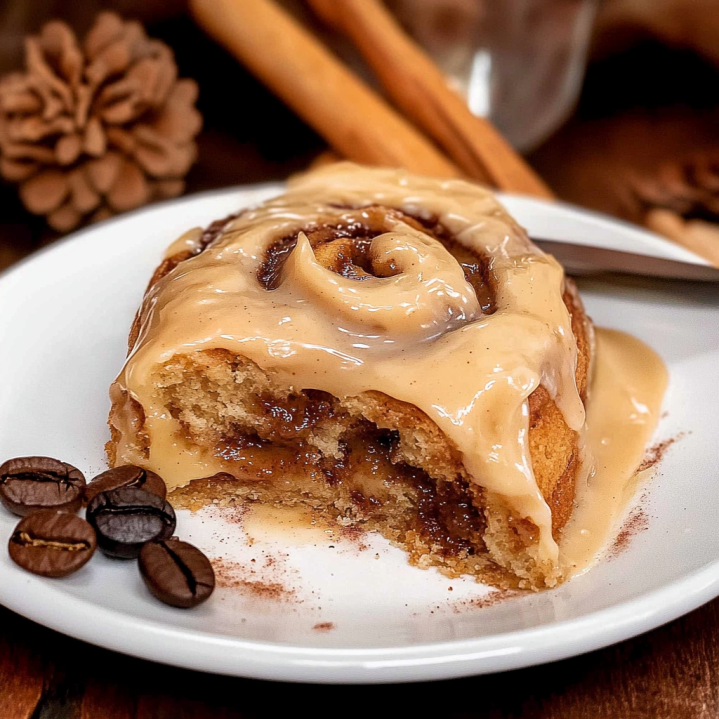
Another major difference is texture. This recipe uses the Tangzhong method to create rolls that stay soft and fluffy long after baking. Many bakery cinnamon buns become dry within hours, especially after reheating. Tangzhong helps lock moisture inside the dough so the rolls stay light and tender for up to four days when stored correctly.
These rolls also stand out because they use coffee in three separate layers:
- Brewed coffee inside the dough
- Espresso sugar filling in the center
- Maple espresso cream cheese frosting on top
That layered flavor creates a stronger coffee taste without making the rolls bitter or heavy.
If you enjoy café drinks like cappuccinos, cinnamon lattes, or maple espresso drinks, these coffee cinnamon rolls bring those same cozy flavors into a fresh homemade breakfast bake.
Print
Coffee Cinnamon Rolls
- Total Time: 3 hours
- Yield: 12 rolls 1x
- Diet: Vegetarian
Description
Soft and fluffy coffee cinnamon rolls infused with espresso flavor in every layer, finished with a rich maple espresso cream cheese frosting.
Ingredients
- 4 cups bread flour
- 1 cup warm brewed coffee
- 1/2 cup whole milk
- 2 1/4 teaspoons active dry yeast
- 1/3 cup granulated sugar
- 2 eggs
- 1/2 cup unsalted butter
- 1 teaspoon salt
- 1/4 cup flour for Tangzhong starter
- 1/2 cup softened butter for filling
- 1 cup dark brown sugar
- 2 tablespoons ground cinnamon
- 2 teaspoons espresso powder
- 1/4 teaspoon ground cardamom
- 1/2 cup heavy cream
- 8 ounces cream cheese
- 1/4 cup maple syrup
- 2 cups powdered sugar
- 1 teaspoon vanilla extract
Instructions
- Warm the brewed coffee and milk to 105°F to 110°F.
- Add yeast and sugar, then let sit until foamy.
- Cook the Tangzhong starter by whisking flour and coffee over medium heat until thickened.
- Combine Tangzhong, yeast mixture, eggs, butter, sugar, salt, and flour.
- Knead until smooth and elastic.
- Place dough in a greased bowl and let rise until doubled.
- Roll dough into a rectangle.
- Spread softened butter over dough.
- Mix brown sugar, cinnamon, espresso powder, and cardamom.
- Spread filling evenly over dough.
- Roll dough tightly into a log.
- Slice into rolls using floss or a sharp knife.
- Place rolls into a greased baking dish.
- Let rolls rise until puffy.
- Pour warm heavy cream over the rolls.
- Bake at 350°F for 25 to 30 minutes until golden.
- Beat cream cheese, butter, maple syrup, espresso powder, powdered sugar, and vanilla until smooth.
- Spread frosting over warm rolls before serving.
Notes
Use espresso powder instead of instant coffee for the richest flavor. Tangzhong keeps the rolls soft and fluffy for days.
- Prep Time: 35 minutes
- Cook Time: 30 minutes
- Category: Breakfast
- Method: Baked
- Cuisine: American
Nutrition
- Serving Size: 1 roll
- Calories: 520
- Sugar: 28g
- Sodium: 320mg
- Fat: 24g
- Saturated Fat: 14g
- Unsaturated Fat: 8g
- Trans Fat: 0g
- Carbohydrates: 68g
- Fiber: 2g
- Protein: 8g
- Cholesterol: 85mg
The Baking Secret: Why the Tangzhong Method Changes Everything
The biggest difference between average cinnamon rolls and bakery style rolls often comes down to moisture. Many homemade rolls taste soft straight from the oven, but they quickly turn dry and dense after a few hours.
That is exactly why this recipe uses the Tangzhong method.
Tangzhong is a simple baking technique that started in Japan. It works by cooking a small amount of flour and liquid together before mixing the main dough. The mixture thickens into a smooth paste that looks similar to mashed potatoes or soft pudding.
During cooking, the starch inside the flour absorbs liquid and traps it inside the dough structure. This process helps the finished coffee cinnamon rolls stay soft, fluffy, and moist much longer than standard yeast rolls.
For this recipe, strong brewed coffee replaces part of the liquid in the Tangzhong mixture. That small change builds coffee flavor directly into the foundation of the dough instead of adding it only to the frosting later.
Here is why bakers love the Tangzhong method:
- The dough feels softer and easier to work with
- The baked rolls stay fluffy for several days
- The texture becomes light and pillowy
- The rolls rise higher in the oven
- The center stays moist without becoming gummy
The texture difference is easy to notice after the first bite. Standard cinnamon rolls can feel bread-like or dry around the edges. Tangzhong rolls stay tender from the center to the outer layers.
Another major benefit is reheating. Many cinnamon rolls harden after refrigeration, but Tangzhong dough keeps more moisture trapped inside the bread. A quick warm-up in the microwave brings the rolls back to a fresh bakery texture.
When making the starter paste, cook it slowly over medium heat while stirring constantly. Once it thickens into a smooth paste that holds its shape, remove it from the heat immediately. Overcooking can dry the mixture and affect the final dough texture.
This one small step completely changes the quality of homemade coffee cinnamon rolls and gives them the soft texture most people expect from a professional bakery.
Espresso Powder vs. Instant Coffee Granules: Which Is Best?
Many home bakers think espresso powder and instant coffee granules are the same thing, but they create very different results in baking.
If you want strong coffee flavor without changing the texture of your cinnamon rolls, espresso powder is the better choice.
Espresso powder has a very fine texture that dissolves quickly into butter, sugar, and dough. It gives a deep roasted flavor without adding extra liquid. That matters because too much liquid can weaken the filling and make it leak out during baking.
Instant coffee granules work differently. The texture is usually larger and more coarse. They often need warm liquid to dissolve properly, and that extra moisture can change the balance of the recipe. In some cases, the filling can become grainy or overly wet.
Here is a simple breakdown:
Instant Espresso Powder
- Stronger coffee flavor
- Fine texture blends smoothly
- Dissolves quickly into frosting and filling
- Works well in dry ingredient mixes
- Creates a rich café style taste
Instant Coffee Granules
- Milder coffee flavor
- Larger crystals
- May leave small gritty bits
- Often needs hot liquid to dissolve
- Can water down fillings if overused
For these coffee cinnamon rolls, espresso powder works best inside the filling and frosting because it keeps the texture smooth and concentrated. Brewed coffee handles the liquid flavor role inside the dough itself.
Some bakers ask if ground coffee beans can replace espresso powder. That usually does not work well in soft pastries. Ground coffee stays rough after baking and can create a sandy texture inside the rolls.
Cold brew concentrate is another option, but it should only replace part of the liquid in the dough. Using too much can slow yeast activity because cold brew is more acidic and less balanced for enriched dough recipes.
If you want the richest flavor possible, use all three coffee forms together in the right places:
- Brewed coffee in the dough
- Espresso powder in the filling
- Espresso frosting on top
That layered method creates bold coffee flavor without making the rolls bitter, dry, or heavy.
Core Ingredients for the Perfect Coffee Infusion
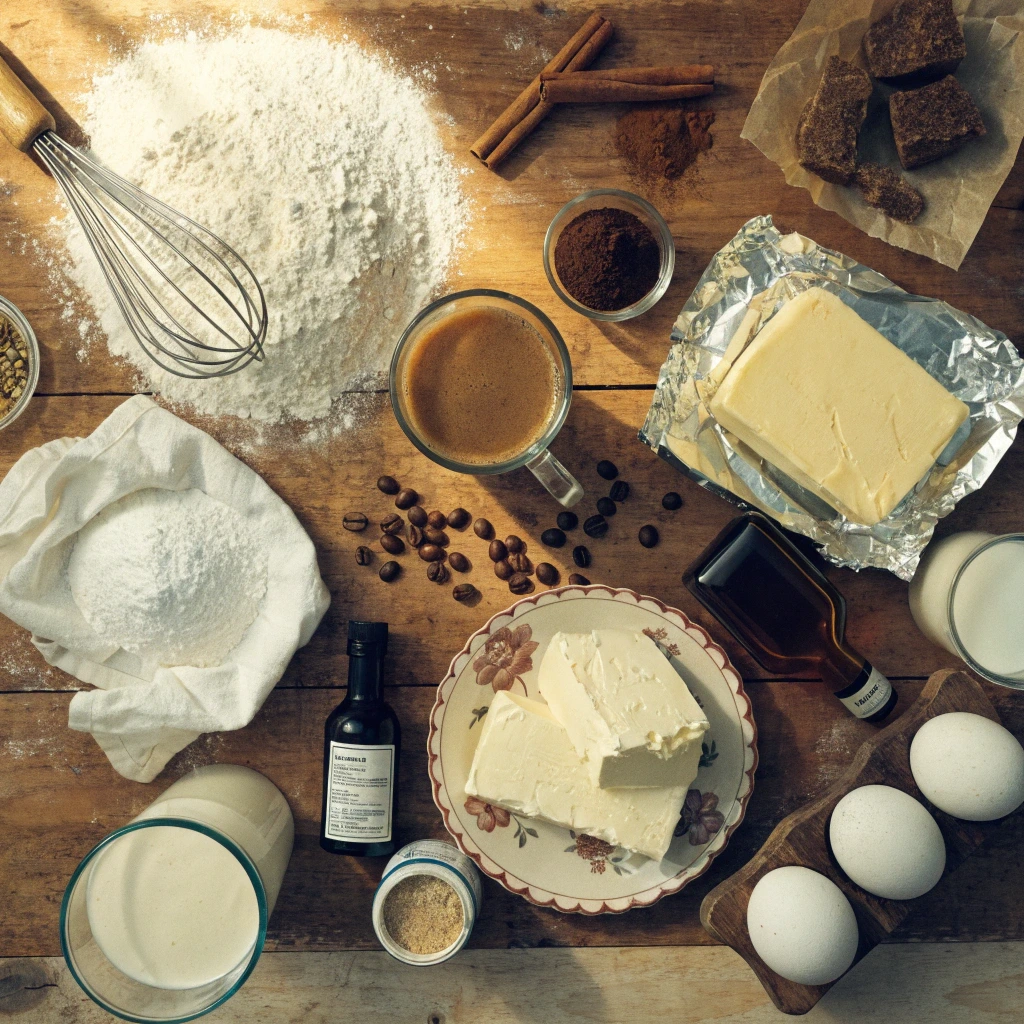
Great coffee cinnamon rolls depend on balance. Every ingredient has a specific job, from building soft dough to creating deep espresso flavor without bitterness. Using the right combination makes the rolls rich, fluffy, and full of warm bakery flavor.
The Espresso Infused Dough
The dough creates the foundation of the entire recipe. Instead of using only milk or water, this version adds warm brewed coffee directly into the yeast mixture. That gives the dough a gentle roasted flavor from the very beginning.
Important ingredients include:
- Bread flour for stronger gluten structure
- Warm brewed coffee for deeper flavor
- Whole milk for softness
- Active dry yeast or instant yeast
- Eggs for richness
- Butter for a tender texture
- Sugar to feed the yeast and balance bitterness
The dough should feel soft and slightly tacky after kneading. A properly mixed dough stretches without tearing during the windowpane test. That means the gluten structure is strong enough to create light and fluffy rolls after baking.
The Velvet Cinnamon Filling
The filling gives these rolls their rich swirl pattern and warm flavor. Dark brown sugar works best because it adds moisture and a deeper caramel taste compared to white sugar.
The filling mixture includes:
- Softened butter
- Dark brown sugar
- Ground cinnamon
- Fine espresso powder
- A small pinch of ground cardamom
Cardamom may seem small, but it makes a huge difference. The spice naturally pairs with coffee and helps the cinnamon taste warmer and more balanced.
For another cozy cinnamon bakery treat, try these homemade Pumpkin Cinnamon Rolls packed with warm fall spices and soft swirls.
Espresso powder is also important here because it gives strong flavor without extra liquid. Liquid coffee inside the filling can create leaks during baking and turn the center sticky or runny.
The Maple Espresso Cream Cheese Frosting
The frosting finishes the rolls with smooth sweetness and bold coffee flavor. Cream cheese adds slight tanginess that balances the sugary filling.
For the best texture, both the butter and cream cheese should sit at room temperature before mixing.
Key frosting ingredients:
- Cream cheese
- Unsalted butter
- Powdered sugar
- Espresso powder
- Maple syrup
- Vanilla extract
The maple syrup adds warmth and helps soften the sharp edge of espresso. Together, they create a flavor similar to a maple latte from a coffee shop.
When spread over warm rolls, the frosting melts slightly into the swirls and creates a creamy finish that tastes rich without becoming too heavy.
Step by Step Culinary Walkthrough
Making soft coffee cinnamon rolls takes patience, but each stage becomes simple once you understand what the dough should look and feel like. These visual cues help prevent common baking mistakes and make the process much easier for beginners.
Step 1: Bloom the Yeast
Start by warming the brewed coffee and milk mixture to about 105°F to 110°F. This temperature range helps activate the yeast without damaging it.
Add the yeast and a small amount of sugar, then let the mixture rest for about 5 to 10 minutes.
You want to see:
- Foam on the surface
- A light creamy layer
- A slightly yeasty smell
If nothing happens, the liquid may have been too hot or the yeast may no longer be active. Fresh yeast should become bubbly fairly quickly.
Step 2: Cook the Tangzhong Starter
In a small saucepan, whisk together flour and brewed coffee until smooth. Cook slowly over medium heat while stirring constantly.
The mixture is ready when:
- It thickens into a paste
- Lines from the whisk stay visible
- The texture resembles soft mashed potatoes
Remove it from the heat immediately once thickened. Let it cool slightly before adding it to the dough ingredients.
This stage helps trap moisture inside the dough and gives the finished rolls their soft bakery texture.
Step 3: Mix and Knead the Dough
Combine the Tangzhong paste, yeast mixture, eggs, butter, sugar, and flour in a large bowl or stand mixer.
At first, the dough may look sticky and rough. Keep kneading until it becomes smooth and elastic.
The dough is ready when:
- It feels soft like Play Doh
- It stretches without tearing
- It passes the windowpane test
To perform the windowpane test, stretch a small piece of dough between your fingers. If light passes through without the dough ripping apart, the gluten structure is fully developed.
Step 4: First Rise
Place the dough into a lightly greased bowl and cover it.
Let it rise in a warm area until:
- The dough doubles in size
- The surface looks puffy
- A finger pressed gently into the dough leaves a slow moving dent
This usually takes about 1 to 1½ hours depending on room temperature.
Step 5: Roll and Fill
Roll the dough into a large rectangle on a lightly floured surface.
Spread softened butter across the dough, then cover it evenly with the espresso cinnamon sugar filling.
Leave a small clean border around the edges so the filling stays sealed during rolling.
Roll the dough tightly into a log shape to create even spirals.
Step 6: Slice Without Squishing the Rolls
Many bakers crush the dough by using a knife. A cleaner method uses unflavored dental floss or clean sewing thread.
To cut perfect rolls:
- Slide the floss under the dough log
- Cross the ends over the top
- Pull tightly to slice cleanly through the dough
This keeps the swirl pattern round and neat without flattening the rolls.
Step 7: Second Rise Before Baking
Place the sliced rolls into a greased baking pan with slight space between each piece.
Cover the pan and let the rolls rise again until they look puffy and lightly touching.
Right before baking, pour a small amount of warm heavy cream over the rolls. This step creates extra soft centers and rich caramelized edges during baking.
The Viral Heavy Cream Pour Hack Explained
One small step can completely change the texture of homemade cinnamon rolls.
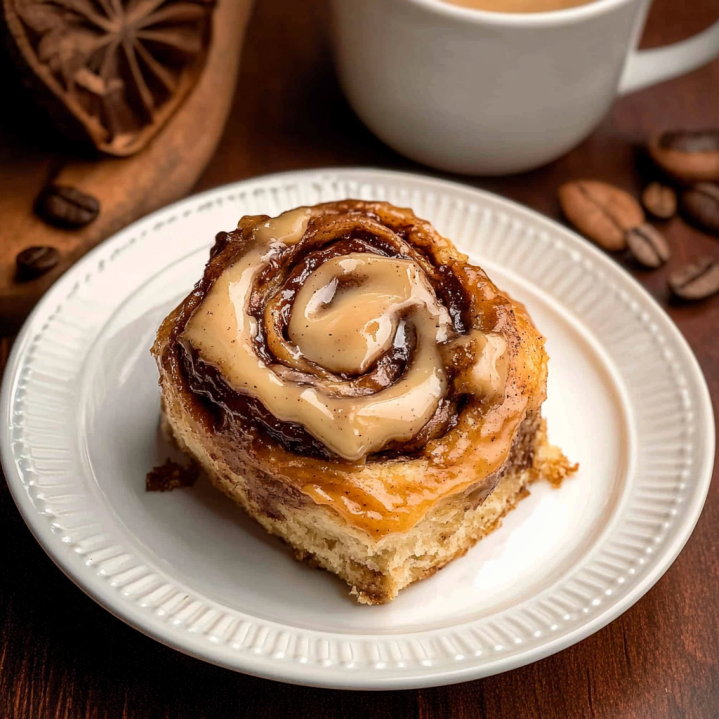
Right before baking, many bakers pour warm heavy cream over the proofed rolls. At first, this trick may seem strange, but there is real baking science behind it.
As the rolls bake, the dough absorbs part of the cream. The extra fat and moisture help keep the outer layers soft instead of dry or crusty. At the same time, the cream mixes with melted butter, brown sugar, and cinnamon at the bottom of the pan to create a rich caramel style sauce.
This process creates several texture improvements:
- Softer centers
- Gooey cinnamon layers
- Moist edges
- Rich caramelized bottoms
- Less dryness after cooling
Many standard cinnamon rolls dry out because the outer dough loses moisture quickly in the oven. Heavy cream slows that process by coating the rolls with extra fat before baking begins.
Warm cream works better than cold cream because it absorbs into the dough more evenly. Cold liquid can slow the final rise and affect baking consistency.
Some people ask if regular milk can replace heavy cream. The answer is yes, but the final texture will not be the same. Milk contains less fat, so it cannot create the same rich and gooey result.
If heavy cream is unavailable, evaporated milk works better than standard milk because it has a thicker texture and higher richness.
For the best results:
- Warm the cream slightly before pouring
- Do not flood the pan completely
- Pour gently around and over the rolls
- Bake immediately after adding the cream
Once baked, the bottom of the pan becomes filled with soft cinnamon caramel sauce that coats the rolls from underneath. This gives the coffee cinnamon rolls a bakery style texture that stays soft long after cooling.
Make Ahead, Overnight, and Freezing Guide
Coffee cinnamon rolls are perfect for preparing ahead of time. A slow overnight rise gives the dough deeper flavor and makes busy mornings much easier. You can also freeze the rolls before or after baking without losing their soft texture.
Overnight Rise Instructions
The overnight method works best after shaping and slicing the rolls.
Follow these steps:
- Prepare the rolls fully and place them into the baking pan
- Cover the pan tightly with plastic wrap or foil
- Refrigerate for 8 to 12 hours
- Remove the pan from the refrigerator the next morning
- Let the rolls sit at room temperature for 45 to 90 minutes until puffy
The cold temperature slows the yeast activity and gives the dough more time to develop flavor. This creates richer coffee notes and softer texture after baking.
Do not bake the rolls while still cold from the refrigerator. The center may stay underbaked while the top browns too quickly.
Freezing Unbaked Cinnamon Rolls
Freezing unbaked rolls works well for long term storage.
To freeze before baking:
- Slice the rolls and place them in the baking pan
- Skip the second rise
- Wrap the pan tightly with two layers of protection
- Freeze for up to 2 months
When ready to bake:
- Transfer the pan to the refrigerator overnight
- Let the rolls rise at room temperature until puffy
- Add warm heavy cream before baking
- Bake as directed
This method keeps the dough fresh while still allowing a full rise before baking.
Freezing Baked Cinnamon Rolls
You can also freeze fully baked coffee cinnamon rolls.
For best results:
- Let the rolls cool completely
- Freeze without frosting if possible
- Wrap each roll individually or seal the entire pan tightly
Frozen baked rolls stay best for about 6 to 8 weeks.
To reheat:
- Microwave individual rolls for 20 to 30 seconds
- Or warm the full pan in a low oven until soft and heated through
Adding frosting after reheating gives the freshest flavor and texture.
How to Keep Cinnamon Rolls Soft for Days
Proper storage makes a huge difference.
To keep the rolls soft:
- Store them in an airtight container
- Keep them at room temperature for up to 2 days
- Refrigerate after that because of the cream cheese frosting
The Tangzhong method already helps trap moisture inside the dough, so these coffee cinnamon rolls stay softer much longer than standard cinnamon buns.
A quick warm up before serving brings back the fresh bakery texture and melts the espresso frosting perfectly.
FAQs
Why Didn’t My Coffee Cinnamon Roll Dough Rise?
The most common reason is liquid temperature.
If the brewed coffee or milk was hotter than 115°F, the heat likely damaged the yeast. Yeast is alive, and high temperatures can stop it from working properly.
Other possible causes include:
Expired yeast
A room that is too cold
Too much flour in the dough
Not enough kneading time
For the best rise:
Keep liquids between 105°F and 110°F
Use fresh yeast
Let the dough rise in a warm spot
Knead until smooth and elastic
The dough should almost double in size before moving to the next stage.
Why Did My Cinnamon Coffee Rolls Filling Leak Into the Pan?
This usually happens when the filling becomes too loose during baking.
The most common causes are:
Melted butter instead of softened butter
Too much liquid coffee in the filling
A loose dough roll
Not sealing the edges properly
Softened butter works better because it holds the sugar mixture in place. Espresso powder is also better than brewed coffee for the filling because it adds flavor without extra moisture.
When rolling the dough, keep the log tight but gentle to prevent gaps between layers.
Why Are My Homemade Cinnamon Buns Dry and Tough?
Dry rolls usually come from one of these problems:
Too much flour
Overbaking
Skipping the heavy cream step
Weak gluten structure from under kneading
The Tangzhong method helps protect against dryness because it traps moisture inside the dough.
Bake only until the tops turn lightly golden. Overbaking for even a few extra minutes can dry the centers quickly.
Why Did My Coffee Cream Cheese Frosting Turn Runny or Split?
Cream cheese frosting becomes unstable when the ingredients are too cold or too warm.
For smooth frosting:
Use room temperature butter
Use room temperature cream cheese
Add powdered sugar slowly
Mix until smooth, not overly whipped
If the frosting looks too thin, add a small amount of powdered sugar until it thickens.
If it separates, mix in a little cornstarch to help stabilize the texture.
Can I Add Coffee Directly to Cinnamon Roll Dough?
Yes. Brewed coffee works very well inside enriched yeast dough and gives the rolls deeper flavor.
For balanced taste:
Replace part of the milk or water with brewed coffee
Use strong coffee for better flavor
Avoid adding too much liquid
This recipe uses coffee in the dough, filling, and frosting to create layered espresso flavor throughout the rolls.
Can Coffee Cinnamon Buns Be Frozen?
Yes. Both baked and unbaked rolls freeze well.
Unbaked rolls usually keep the freshest texture because the dough finishes rising after thawing. Baked rolls also reheat nicely if wrapped tightly before freezing.
Can I Pour Milk or Heavy Cream Over Cinnamon Rolls Before Baking?
Yes, but heavy cream gives much better results.
Heavy cream contains more fat, which keeps the rolls soft and creates a rich caramel style sauce underneath the rolls during baking.