
Short wellness recipes now spread fast across TikTok, YouTube, and Facebook. One recipe that keeps showing up is the dementia prevention spice blend recipe. Many creators talk about the mix but never share the full measurements unless readers join an email list or pay for a hidden guide.
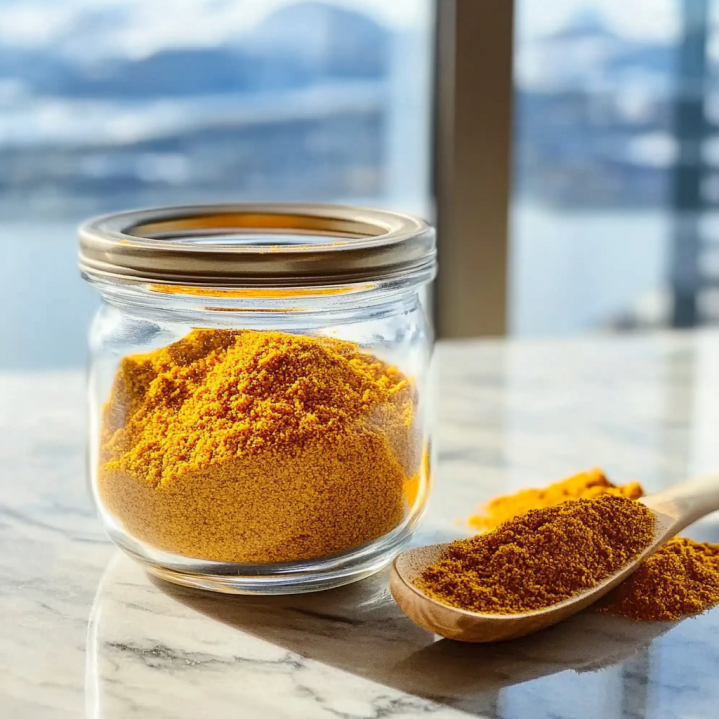
This article gives you the exact spice blend completely free. You will learn how to make the mix, why each spice matters, how to use it daily, and what science says about the key compounds inside turmeric, ginger, cinnamon, and black pepper.
I first tested this blend after seeing several nutrition experts discuss anti inflammatory food habits linked to healthy aging and memory support. What stood out was how simple the recipe was. Most people already have these spices sitting in their kitchen cabinet.
The recipe combines turmeric, Ceylon cinnamon, ginger, and black pepper into one easy daily mix. These spices contain plant compounds linked to lower oxidative stress, better circulation, and healthier brain function. Many people also add the blend into a MIND diet routine alongside berries, nuts, olive oil, and leafy greens.
Table of Contents
Important Medical Disclaimer
This recipe uses food based ingredients that researchers have studied for brain and wellness support. Food supports the body, but it does not cure Alzheimer’s disease, dementia, or cognitive decline. Always speak with your doctor before adding concentrated spice blends to your routine, especially if you take blood thinners, diabetes medication, or blood pressure medicine.
The Science of Neuroprotection: How These Spices Support the Brain
The dementia prevention spice blend recipe became popular for one main reason. Each spice contains plant compounds linked to brain and nerve support. Researchers continue studying how these natural compounds may help lower inflammation and protect healthy brain activity during aging.
Many experts now focus on two major problems connected to cognitive decline. The first is neuroinflammation. The second is oxidative stress. Both may damage brain cells over time and affect memory, focus, and mental clarity.
This brain health spice blend brings together several compounds that work in different ways inside the body.
Curcumin From Turmeric
Curcumin is the bright yellow compound found in turmeric. Scientists study it because of its strong anti inflammatory activity. Some research also looks at how curcumin may help reduce damage linked to beta amyloid plaques and unhealthy protein buildup inside brain tissue.
Turmeric also fits well into Mediterranean diet and MIND diet eating habits because it pairs naturally with vegetables, soups, eggs, and healthy fats.
One important fact matters here. Curcumin alone is difficult for the body to absorb. That is why black pepper becomes such an important part of this recipe. You will learn more about that in the next section.
Cinnamaldehyde From Cinnamon
Cinnamon contains cinnamaldehyde, a plant compound connected to blood sugar balance and cell protection. Some laboratory studies also examine how cinnamon compounds may help slow tau aggregation linked to Alzheimer’s disease.
For daily use, Ceylon cinnamon is the safer option compared to Cassia cinnamon. Ceylon contains much lower levels of coumarin, a compound that may stress the liver when consumed in large amounts over long periods.
This is why high quality sourcing matters when making a daily anti inflammatory spice routine.
Gingerol From Ginger
Ginger gives the blend warmth and a slightly spicy taste. It also contains gingerol, a natural compound studied for circulation and inflammation support.
Healthy blood flow matters for the brain because oxygen and nutrients must move through blood vessels efficiently. Ginger may help support this process while also helping many people tolerate the stronger earthy flavor of turmeric.
Many readers also notice that ginger helps the spice blend taste smoother and less bitter.
Optional Rosemary and Cayenne Benefits
Some people add rosemary powder or cayenne pepper to the recipe for extra wellness support.
Rosemary contains carnosic acid, a compound researchers study for its possible protective effects on brain cells. Cayenne contains capsaicin, which may support circulation and warmth throughout the body.
These optional additions can also give the spice mix a richer flavor profile without adding sugar or artificial ingredients.
Unlocking Bioavailability: Why Turmeric Needs Black Pepper
One of the biggest mistakes people make with turmeric is using it alone.
Turmeric contains curcumin, but curcumin has very poor natural absorption inside the body. A large portion passes through the digestive system before the body can fully use it. This is why many people never get the full value from turmeric powder by itself.
Black pepper changes that.
Black pepper contains a natural compound called piperine. Researchers found that piperine may increase curcumin absorption by up to 2,000%. That is the reason nutrition experts often combine turmeric and black pepper in brain health recipes and anti inflammatory spice mixes.
The pairing works because piperine slows the breakdown of curcumin during digestion. This gives the body more time to absorb and use it.
This simple kitchen combination is one of the most studied food pairings in wellness nutrition.
Why Fresh Black Pepper Works Better
Freshly ground black pepper usually contains stronger volatile oils compared to old pre ground pepper that has sat on store shelves for long periods.
A stronger aroma often means better freshness and higher active compound quality. That is why many people prefer grinding whole peppercorns directly into the spice blend recipe.
Even a small amount matters. Most recipes only need about one teaspoon for an entire batch.
Healthy Fats Also Help Absorption
Curcumin is fat soluble. This means the body absorbs it more easily when paired with healthy fats.
Many people mix this brain health spice blend into:
- Warm almond milk
- Coconut milk
- Greek yogurt
- Oatmeal with walnuts
- Smoothies with nut butter
- Olive oil based soups
This approach fits naturally into MIND diet guidelines and Mediterranean style eating habits.
Why This Matters for Brain Health
Scientists continue studying the link between inflammation, oxidative stress, and cognitive decline. Better absorption matters because the body can only use compounds that successfully enter circulation.
Without black pepper or healthy fats, much of the curcumin may never reach useful levels inside the body.
That is why this turmeric and black pepper recipe for brain health focuses heavily on synergy between ingredients instead of relying on a single spice alone.
Print
Dementia Prevention Spice Blend Recipe
- Total Time: 5 minutes
- Yield: 24 servings 1x
- Diet: Vegan
Description
A simple daily brain health spice blend made with turmeric, Ceylon cinnamon, ginger, and black pepper. This easy wellness recipe fits perfectly into smoothies, oatmeal, golden milk, yogurt bowls, and warm drinks.
Ingredients
- 3 tablespoons ground organic turmeric
- 2 tablespoons ground Organic Ceylon cinnamon
- 2 tablespoons ground ginger powder
- 1 teaspoon freshly ground black pepper
- 1/2 teaspoon rosemary powder (optional)
- Small pinch of cayenne pepper (optional)
Instructions
- Place all spices into a completely dry glass mixing bowl.
- Whisk slowly until the color and texture look fully uniform.
- Transfer the spice blend into an airtight glass jar with a sealed lid.
- Store the jar in a cool dark pantry away from heat and direct sunlight.
- Use the blend within 6 weeks for best freshness.
- Stir 1 teaspoon daily into oatmeal, smoothies, warm almond milk, coconut milk, yogurt bowls, herbal tea, or soups.
Notes
For better flavor and freshness, store the spice blend in an airtight glass jar away from heat, moisture, and sunlight. Pair with healthy fats like coconut milk, nuts, or olive oil for better turmeric absorption.
- Prep Time: 5 minutes
- Cook Time: 0 minutes
- Category: Wellness Recipe
- Method: Mixing
- Cuisine: Healthy
Nutrition
- Serving Size: 1 teaspoon
- Calories: 8
- Sugar: 0g
- Sodium: 2mg
- Fat: 0.3g
- Saturated Fat: 0g
- Unsaturated Fat: 0.2g
- Trans Fat: 0g
- Carbohydrates: 1.5g
- Fiber: 0.6g
- Protein: 0.2g
- Cholesterol: 0mg
Sourcing Safeguards: Why Ceylon Cinnamon Matters
Not all cinnamon is the same.
This detail matters a lot when making a daily dementia prevention spice blend recipe. Many grocery stores sell Cassia cinnamon because it costs less and has a stronger spicy taste. The problem is that Cassia cinnamon contains much higher levels of coumarin.
Coumarin is a natural compound that may place stress on the liver when consumed in large amounts over time. This becomes more important for people who plan to use a brain health spice blend every day.
That is why many nutrition experts recommend Organic Ceylon cinnamon instead.
What Makes Ceylon Cinnamon Different
Ceylon cinnamon is often called “true cinnamon.” It has a lighter color, softer texture, and a more delicate flavor compared to Cassia cinnamon.
Most importantly, it contains far lower levels of coumarin.
For long term daily routines, many people feel more comfortable choosing Ceylon cinnamon because of this safety difference.
How to Identify High Quality Cinnamon
Many low quality spice products lose freshness quickly or contain fillers. Some imported turmeric powders may also carry contamination risks if companies skip proper testing.
Use this checklist before buying spices:
- Choose brands that mention heavy metal testing
- Look for vibrant color and strong natural aroma
- Avoid dull or faded powders
- Buy from trusted spice companies with transparent sourcing
- Store spices in airtight glass jars away from heat and sunlight
Fresh spices usually smell stronger because their volatile oils remain active.
Why Spice Purity Matters for Brain Health
The goal of this anti inflammatory spice mix is consistency. Small daily habits matter more than using large amounts once in a while.
Using clean, fresh ingredients helps maintain flavor, aroma, and active plant compounds like curcumin, gingerol, cinnamaldehyde, and piperine.
This also improves the overall taste of the recipe, which makes people more likely to stick with the routine long term.
Should You Buy Organic Spices?
Organic spices are popular because many buyers want fewer pesticides and cleaner farming practices. While organic labeling does not automatically mean higher quality, reputable organic brands often pay closer attention to testing and sourcing standards.
For this recipe, many people focus most on:
- Organic turmeric
- Organic Ceylon cinnamon
- Fresh black peppercorns
- Pure ginger powder without additives
These small choices can make the spice blend taste fresher, smoother, and more balanced.
How to Integrate the Spice Mix Into a MIND Diet Routine
A healthy spice blend works best when paired with a healthy eating pattern. That is why many nutrition experts connect this recipe with the MIND diet.
The MIND diet combines parts of the Mediterranean diet with foods linked to brain support and healthy aging. It focuses on simple daily habits instead of strict food rules.
This dementia prevention spice blend recipe fits naturally into that approach because it can blend into many meals without much effort.
Easy Ways to Use the Brain Health Spice Blend
| Meal or Snack | Simple Way to Use the Blend |
|---|---|
| Morning Oatmeal | Stir 1 teaspoon into oats with walnuts and berries |
| Smoothies | Add the mix with almond milk and nut butter |
| Golden Milk | Whisk into warm coconut milk |
| Yogurt Bowls | Sprinkle over Greek yogurt with flaxseeds |
| Soups | Mix into lentil or vegetable soups |
| Nut Butter Toast | Add a light sprinkle over almond butter |
| Herbal Tea | Blend with warm water, honey, and lemon |
These small habits may help people stay consistent without feeling overwhelmed.
Chia seeds are another popular addition to brain healthy breakfast bowls because they pair naturally with turmeric and cinnamon blends.
Best Foods to Pair With This Recipe
Some foods naturally pair well with anti inflammatory spices and healthy fats.
Popular options include:
- Blueberries
- Walnuts
- Olive oil
- Spinach
- Kale
- Salmon
- Chia seeds
- Avocados
- Almonds
- Steel cut oats
Many of these foods appear often in MIND diet guidelines because they contain nutrients linked to healthy circulation and brain support.
Many people also combine this spice blend with antioxidant rich drinks like matcha for additional wellness support
Why Consistency Matters More Than Large Amounts
Many people think taking huge amounts of spices will create faster results. In reality, long term routines matter more.
Using a moderate amount daily often feels easier on digestion and helps people maintain the habit over time.
A small teaspoon added to breakfast or a warm evening drink can become part of a steady wellness routine.
Creating a Simple Daily Ritual
One reason this brain health spice blend became viral is convenience.
The recipe takes only a few minutes to prepare, stores easily in a jar, and works in both sweet and savory foods.
Many people prepare one batch every month and keep it near their coffee, tea, or breakfast items so they remember to use it each day.
That simple kitchen habit may make healthy eating feel much easier and more realistic.
Authentic Dementia Prevention Spice Blend Recipe
This dementia prevention spice blend recipe uses simple pantry spices backed by nutrition focused wellness habits. The recipe takes only a few minutes to prepare and stores well for daily use.
Many people keep a jar ready in the kitchen so they can quickly add it to breakfast bowls, smoothies, soups, or warm drinks throughout the week.
Ingredients for the Brain Health Spice Blend
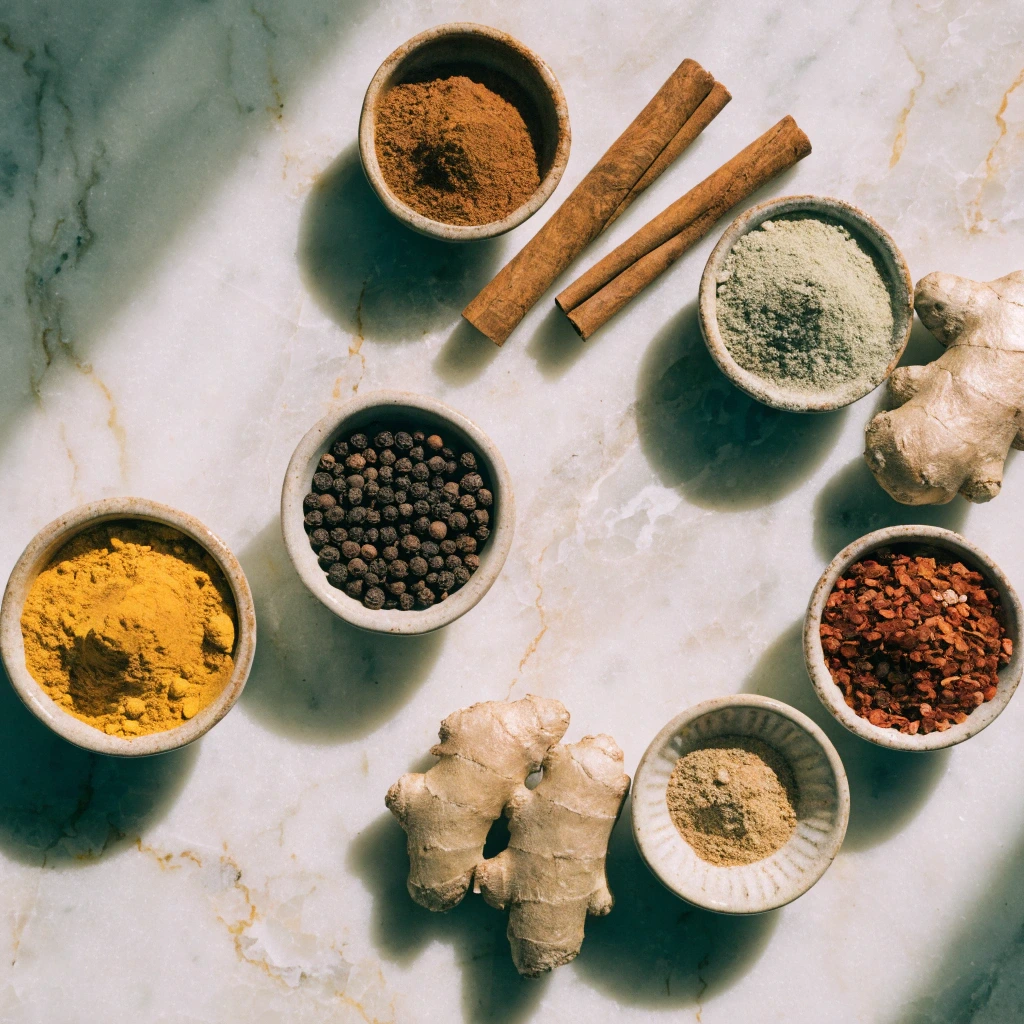
- 3 tablespoons ground organic turmeric
- 2 tablespoons ground Organic Ceylon cinnamon
- 2 tablespoons ground ginger powder
- 1 teaspoon freshly ground black pepper
Optional Premium Additions
- 1/2 teaspoon rosemary powder for carnosic acid support
- Small pinch of cayenne pepper for circulation support
Step by Step Instructions
- Place all spices into a completely dry glass mixing bowl.
- Whisk slowly until the color and texture look fully uniform.
- Transfer the spice blend into an airtight glass jar with a sealed lid.
- Store the jar in a cool dark pantry away from heat and direct sunlight.
- For best freshness, use the blend within 6 weeks.
Daily Serving Suggestion
Most people use about 1 teaspoon daily.
You can stir the blend into:
- Oatmeal
- Smoothies
- Warm almond milk
- Coconut milk
- Yogurt bowls
- Herbal tea
- Soups
Because turmeric works better with fat, many people pair the mix with nuts, seeds, coconut milk, olive oil, or nut butter.
This spice mix also tastes delicious in overnight oats recipes made with walnuts, chia seeds, and berries.
Storage Tips for Maximum Freshness
Spices slowly lose aroma and strength when exposed to air, moisture, and sunlight.
For better freshness:
- Use airtight glass containers
- Keep jars away from the stove
- Avoid wet spoons inside the spice jar
- Buy smaller spice batches when possible
Fresh spices usually produce a stronger aroma and richer color.
Estimated Nutrition Per Serving
Approximate values for 1 teaspoon:
- Calories: 8
- Carbohydrates: 1.5g
- Fat: 0.3g
- Fiber: 0.6g
- Sugar: 0g
Values may vary slightly depending on spice brands and serving size.
Culinary Troubleshooting: How to Fix a Bitter or Muddy Flavor
One common complaint about turmeric blends is the taste.
Some people describe raw turmeric drinks as earthy, bitter, metallic, or muddy. Strong ginger and black pepper can also feel too sharp for sensitive taste buds.
The good news is that a few simple changes can make this brain health spice blend taste much smoother and more enjoyable.
Add Healthy Fats for a Creamier Texture
Healthy fats help soften the strong spice flavor while also helping curcumin absorption.
Many people enjoy the blend mixed into:
- Warm coconut milk
- Almond milk
- Oat milk
- Greek yogurt
- Nut butter smoothies
This creates a richer and creamier texture that feels easier to drink daily.
Turn the Blend Into Golden Milk
Golden milk is one of the easiest ways to enjoy this recipe.
To make a simple version:
- Warm 1 cup coconut milk or almond milk
- Add 1 teaspoon of the spice blend
- Stir slowly until fully mixed
- Add a small amount of raw honey if desired
Many people drink this in the evening because warm spice drinks feel comforting and relaxing.
Some people also enjoy adding this blend into homemade detox drinks and warm wellness beverages.
Balance the Earthy Taste Naturally
Turmeric can taste overpowering when used alone. Pairing it with natural sweetness helps balance the flavor.
Popular options include:
- Raw honey
- Mashed banana
- Cinnamon apples
- Vanilla extract
- Dates in smoothies
These ingredients help reduce bitterness without using processed sugar.
Use Smaller Amounts at First
Some people add too much spice blend immediately and end up disliking the taste.
Starting with half a teaspoon often works better. Once your taste buds adjust, you can slowly increase the amount if desired.
Small consistent habits usually feel easier than forcing large servings.
Keep the Blend Fresh
Old spices often taste dull, dusty, or harsh.
For better flavor:
- Replace spices every few months
- Keep jars sealed tightly
- Store away from moisture and sunlight
- Grind black pepper fresh when possible
Fresh spices usually taste warmer, smoother, and more balanced.
Best Foods for Hiding the Flavor
If you still dislike the taste, try mixing the blend into stronger flavored foods.
Many people barely notice it inside:
- Chocolate smoothies
- Pumpkin oatmeal
- Lentil soup
- Peanut butter smoothies
- Banana protein shakes
This makes the recipe easier to enjoy daily without overwhelming the palate.
FAQs
Is it safe to consume this spice blend every day?
Many healthy adults use spice blends like this daily in moderate amounts. The recipe uses common kitchen spices found in many traditional food cultures.
Still, daily use may not work for everyone.
Turmeric, ginger, rosemary, and cinnamon can interact with certain medications, especially blood thinners, diabetes medicine, and some blood pressure treatments. People with gallbladder issues or sensitive digestion should also speak with a healthcare professional before using concentrated spice mixes regularly.
Moderate portions usually work better than excessive amounts.
Can I substitute regular supermarket Cassia cinnamon?
You can, but many people prefer Ceylon cinnamon for daily use.
Cassia cinnamon contains higher levels of coumarin, a natural compound linked to liver stress when consumed frequently in large quantities.
Ceylon cinnamon contains much lower coumarin levels and has a milder sweeter flavor. That is why many wellness focused recipes recommend Organic Ceylon cinnamon instead of regular supermarket varieties.
What medications interact with turmeric and ginger?
Turmeric and ginger may interact with:
Blood thinners
Diabetes medications
Blood pressure medicine
Acid reflux medications
Certain anti inflammatory drugs
Because these spices may affect circulation and blood sugar levels, it is smart to check with a healthcare provider before using concentrated blends regularly.
This matters even more before surgery or medical procedures.
What hidden compound in rosemary may support brain health?
Rosemary contains a natural plant compound called carnosic acid.
Researchers continue studying carnosic acid because of its possible role in protecting brain cells from oxidative stress. Some early studies also examine how rosemary compounds may support memory and healthy aging.
This is why rosemary powder appears as an optional addition in many brain health spice blend recipes.
What is the most powerful herb for memory?
There is no single magic herb for memory support.
Researchers often study turmeric, rosemary, sage, ginger, and saffron because they contain plant compounds linked to circulation, inflammation balance, and brain cell protection.
Many people prefer combining several herbs and spices together instead of relying on one ingredient alone. That is one reason this recipe combines multiple compounds in a single mix.
What is the red spice connected to memory support?
Many people asking this question are referring to saffron or cayenne pepper.
Saffron contains natural compounds that researchers continue studying for mood and cognitive support. Cayenne pepper contains capsaicin, which may support circulation.
Some advanced versions of this recipe include a small pinch of cayenne for extra warmth and flavor.
Can I drink rosemary and cinnamon together?
Yes. Many people combine rosemary and Ceylon cinnamon in warm herbal drinks.
The flavors pair especially well with coconut milk, almond milk, honey, ginger, and turmeric. Some people enjoy drinking the combination as part of an evening wellness routine.
What should not be mixed with rosemary?
Rosemary may interact with certain medications, especially:
Blood thinners
Diuretics
Blood pressure medications
Seizure medications
People who are pregnant or managing medical conditions should ask a healthcare professional before consuming large amounts regularly.
What are the best foods for memory support?
Many nutrition experts recommend foods connected to the MIND diet and Mediterranean style eating habits.
Popular choices include:
Blueberries
Fatty fish
Walnuts
Olive oil
Leafy green vegetables
What Hidden Compound in Rosemary Could Help Fight Alzheimer’s?
Rosemary contains a hidden antioxidant compound called carnosic acid. Research suggests that carnosic acid can cross the blood brain barrier to protect neurons from oxidative stress, reduce neuroinflammation, and potentially inhibit the pathways linked to Alzheimer’s disease.
What Is the Most Powerful Herb for Memory?
While there is no single cure, turmeric combined with rosemary and sage is often considered one of the strongest herbal combinations for memory support. These herbs may support cerebral blood flow, neurotransmitter activity, and healthy brain aging when paired with balanced nutrition and healthy lifestyle habits.
What Not to Mix With Rosemary?
Avoid using large medicinal amounts of rosemary with blood thinners like Warfarin, diuretics, ACE inhibitor blood pressure medications, and lithium. These combinations may affect medication activity and increase the risk of unwanted side effects.
Final Thoughts on This Daily Brain Health Spice Routine
This dementia prevention spice blend recipe became popular because it is simple, affordable, and easy to add to daily meals. You do not need expensive powders, complicated supplements, or difficult meal plans to begin building healthier food habits.
The blend combines turmeric, Ceylon cinnamon, ginger, and black pepper into one quick recipe packed with plant compounds linked to inflammation balance, circulation support, and healthy aging.
Small consistent habits often matter more than extreme routines.
Many people now keep this brain health spice blend in their kitchen beside coffee, tea, oatmeal, or smoothie ingredients so it becomes part of everyday life. Pairing the mix with MIND diet foods like berries, walnuts, leafy greens, olive oil, and fatty fish may create a stronger long term wellness routine.
Taste also matters. If the flavor feels too earthy at first, simple fixes like coconut milk, almond milk, raw honey, or nut butter can make the recipe much smoother and easier to enjoy regularly.
Let’s bake together! I will explain all the steps in detail in the written recipe. If you try this recipe, don’t forget to tag me on Facebook, and you can also follow me on Pinterest.