Many bakers discovered this recipe through the viral In Bloom Bakery London Fog Rolls, but this guide goes further by explaining the baking science behind ultra-soft London Fog cinnamon rolls and Earl Grey rolls.
Unlike classic cinnamon rolls, these London Fog buns highlight the natural bergamot oil content of Earl Grey tea, creating a delicate citrus aroma that pairs perfectly with vanilla and lavender.
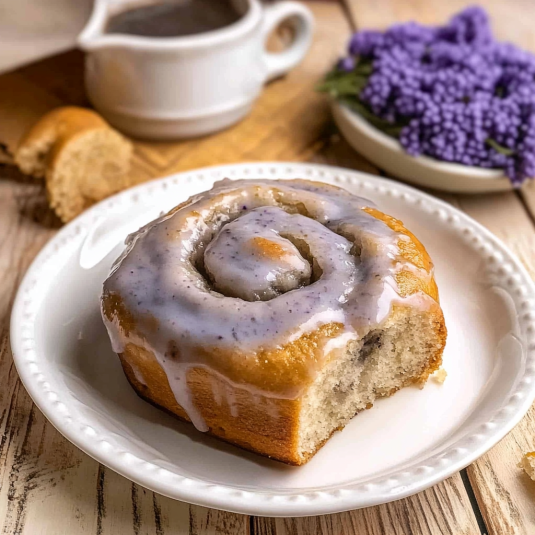
I have baked many sweet rolls over the years, and dry centers were always the problem. This version fixes that. The key is a simple bakery method. Warm heavy cream gets poured between the rolls right before baking. As the rolls bake, the cream creates steam and keeps the crumb soft from edge to center. The sugar melts with the cream and forms a light caramel at the bottom. The result stays gooey long after the pan leaves the oven.
Table of Contents
Essential Ingredients and Expert Substitutions
This recipe depends on ingredient quality. Each item plays a clear role in flavor, texture, and rise. Small changes can shift the final result, so the notes below matter.
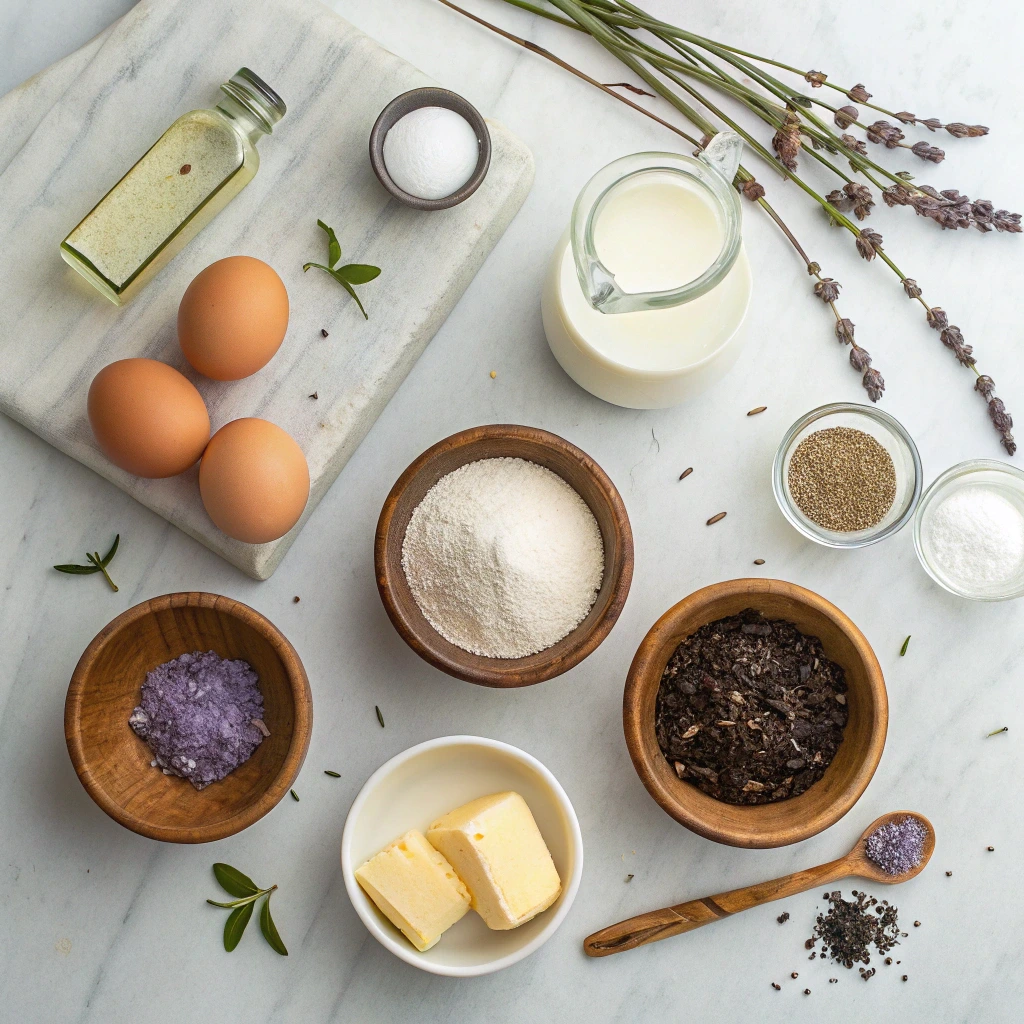
Earl Grey Tea
Loose leaf Earl Grey works best. It holds more natural bergamot oil, which gives the rolls their light citrus note. Tea bags often taste flat because the leaves are broken down and exposed to air. If tea bags are your only option, open them and sift out the fine dust. Grind the leaves before mixing them into the flour so the flavor spreads evenly and never feels gritty.
Substitution tip: Use two tea bags for every tablespoon of loose leaf.
Culinary Lavender
Only use culinary lavender. The correct variety is Lavandula angustifolia. Decorative or craft lavender can taste bitter and soapy. Grind the buds with sugar to soften the floral edge. Lavender should support the tea, not overpower it.
Substitution tip: If you prefer no lavender, add extra vanilla instead.
Milk
Whole milk gives the dough strength and softness. Warm it to 110°F before mixing with yeast. This temperature wakes the yeast without harming it. Guessing here often leads to poor rise.
Substitution tip: Oat milk works for a dairy free option, but the crumb will be slightly tighter.
Butter
European style butter has more fat and less water. This creates a softer, richer dough with a brioche like feel. Standard butter still works, but the rolls may feel less tender the next day.
Substitution tip: Use unsalted butter so the salt level stays balanced.
Heavy Cream
Heavy cream is poured between the rolls before baking. It melts into the dough and creates steam in the oven. This keeps the interior soft and forms a caramel base where sugar and cream meet.
Vegan option: Full fat coconut cream can replace heavy cream. Chill it first, then stir until smooth.
Each ingredient here has a job. When they work together, the rolls bake tall, soft, and deeply flavored.
The Science of the Perfect Rise
A soft roll starts long before baking. The rise sets the structure, the crumb, and the final height. When this step goes wrong, the rolls feel dense or dry no matter how good the flavors are.
Yeast Activation and Milk Temperature
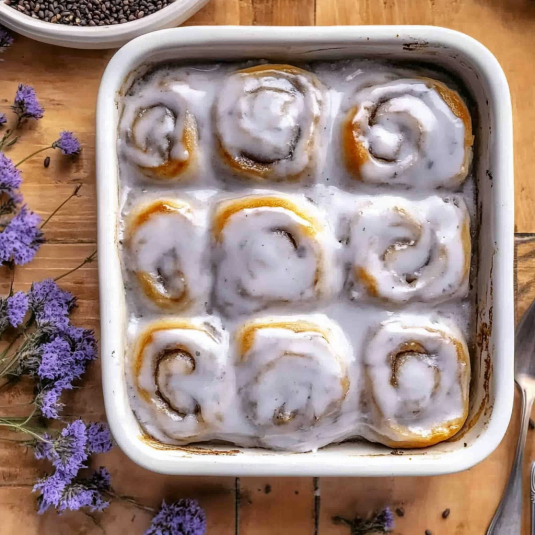
Yeast reacts fast to temperature. Milk should be warmed to 110°F or 43°C. This range wakes the yeast and starts fermentation. Hotter milk kills it. Cooler milk slows it down and delays the rise. Use a thermometer instead of guessing. This single step prevents most failed doughs.
Once mixed, the dough should feel slightly sticky but smooth. If it feels tight or dry, too much flour went in. That limits how much the dough can rise.
Gluten Development and the Windowpane Test
Gluten gives dough strength. Without enough development, the dough cannot trap gas from the yeast. The windowpane test checks this.
Take a small piece of dough. Stretch it gently between your fingers. If it forms a thin, almost clear sheet without tearing, the gluten is ready. If it rips fast, keep kneading for another minute and test again.
This step matters more than kneading time. Humidity, flour type, and butter temperature all affect how fast gluten forms.
What Properly Risen Dough Looks Like
During the first rise, the dough should double in size. Time alone is not the signal. Look for these signs instead:
- The surface looks smooth and slightly domed
- A finger pressed into the dough leaves an indent that slowly fills back
- The dough feels lighter when lifted
If the dough rises too long, it can collapse later. If it rises too little, the rolls bake up tight and bread like.
A good rise sets the stage for everything that follows. When yeast, heat, and gluten stay in balance, the rolls bake tall, soft, and airy every time.
Expert Tip Ideal Proofing Environment in Winter
If your kitchen feels cold, place the dough inside a turned off oven. Set a bowl of boiling water next to it, then close the door.
The steam raises the temperature and adds moisture, creating a warm and humid space that helps the yeast stay active and the dough rise properly without drying out.
Brioche-Style Dough: Why These Earl Grey Rolls Stay Soft
The dough used in this London Fog rolls recipe is a brioche-style dough. Brioche dough contains butter, eggs, and milk, which gives London Fog cinnamon rolls their soft and fluffy structure.
Some professional bakers also use the Tangzhong method. This technique cooks a small portion of flour with milk before mixing the dough. The starches absorb more liquid, which helps Earl Grey cinnamon rolls stay softer for longer.
Step By Step Visual Guide
This section breaks the process into clear phases. Each phase builds structure, flavor, and softness. Follow the cues, not just the clock.
Infusing the Dough
Grind the Earl Grey tea leaves until fine. Mix them straight into the flour before adding liquids. This spreads the tea flavor evenly through the dough and avoids bitter pockets. The dough should look lightly speckled, not dark.
Add the warm milk, yeast, eggs, sugar, and butter. Mix until a soft dough forms. It should pull from the bowl but still feel slightly tacky.
The First Rise
Place the dough in a lightly greased bowl. Cover and let it rest in a warm spot. The dough is ready when it has doubled in size and feels airy when lifted.
Press a finger into the surface. If the dent fills back slowly, the rise is right. If it snaps back fast, it needs more time.
Rolling and Filling
Roll the dough into an even rectangle. Spread the filling across the surface, reaching the edges. This filling carries the Earl Grey, vanilla, and sugar, so keep it even for balanced flavor.
Roll the dough tightly from the long side. Keep steady pressure so the spiral stays uniform.
Cutting with Dental Floss
Slide plain dental floss under the log. Cross the ends over the top and pull. This cuts cleanly without pressing air out of the dough. Repeat for each roll.
Place the rolls cut side up in a baking dish with space between them.
The Cream Soak
Before baking, pour room temperature heavy cream between the rolls. Do not pour directly on top. The cream should settle around the sides and bottom.
As the rolls bake, the cream heats and releases steam. This keeps the crumb soft and melts into the sugar below, forming a gooey base.
Once baked, the rolls should look golden on top and feel light when pressed.
Pro Troubleshooting FAQ
Why are my rolls tough or dry?
This usually comes from too much flour or too much kneading. Flour packs down fast when scooped. Always spoon it into the cup, then level it. The dough should feel soft and slightly sticky before the first rise. If it feels stiff, stop adding flour. Over kneading can also tighten the crumb, especially once butter is fully mixed in.
Can I make these rolls overnight?
Yes. After shaping and cutting the rolls, place them in the baking dish and cover tightly. Refrigerate for up to 12 hours. The next morning, let them sit at room temperature until they look puffy and slightly expanded. Then pour in the heavy cream and bake as usual. This slow rise builds flavor and makes morning baking easier.
My dough did not rise. What went wrong?
The most common issue is milk that was too hot or too cool. Yeast works best at 110°F or 43°C. Old yeast can also fail. If the dough sits for an hour with no size change, start fresh rather than waiting longer. A warm spot helps, but heat should never feel hot to the touch.
My rolls spread out instead of rising tall?
This points to weak gluten or too long of a second rise. Use the windowpane test during mixing to check strength. During the final rise, stop once the rolls look puffy and touch lightly at the sides. If they rise too long, they lose structure and spread in the oven.
My frosting is thin and runny?
Cream cheese and butter should be cool, not warm. If they are too soft, the frosting loosens fast. Sift the powdered sugar before mixing so it blends smoothly. If the frosting still feels loose, chill it for ten minutes, then stir again until thick.
How do I reheat London Fog Rolls so they stay soft?
To reheat London Fog rolls, warm them in the microwave for 15–20 seconds. You can also place them in the oven at 300°F (150°C) for about 8 minutes to restore their soft texture.
Can I freeze London Fog rolls dough?
Yes. After shaping the rolls, cover them tightly and freeze for up to one month. When ready to bake, thaw overnight in the refrigerator and allow the dough to proof before baking.
Dietary Adaptations
This London Fog rolls recipe can easily be adapted for different diets.
Gluten-Free Option
Use a high-quality gluten-free bread flour blend designed for yeast dough. Because gluten provides structure, adding 1 teaspoon of xanthan gum can improve the texture of gluten-free Earl Grey rolls.
Vegan Option
To make vegan London Fog cinnamon rolls, replace the milk with oat milk or almond milk. Butter can be replaced with vegan butter, and eggs can be substituted with flax eggs.
These small adjustments allow more people to enjoy soft London Fog buns without changing the flavor profile.
London Fog Cinnamon Rolls vs Classic Cinnamon Rolls
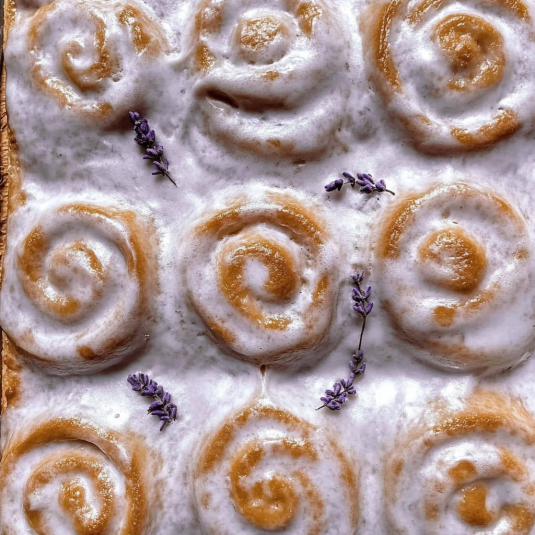
While both pastries share the same sweet roll structure, London fog cinnamon rolls offer a completely different flavor experience compared to classic cinnamon rolls.
Traditional cinnamon rolls focus on a bold cinnamon and brown sugar filling. In contrast, london fog rolls highlight the delicate aroma of Earl Grey tea, vanilla, and sometimes lavender frosting.
The key difference also comes from the tea itself. Earl Grey contains natural bergamot oil, which adds a subtle citrus note that balances the sweetness of the dough.
Another distinction lies in the dough style. Many earl grey cinnamon rolls use a brioche-style dough, enriched with butter, eggs, and milk. This makes the rolls softer and more tender than many classic cinnamon roll recipes.
Because of these differences, london fog buns often feel lighter and more aromatic, making them perfect for brunch or afternoon tea rather than a heavy dessert.
| Feature | Classic Cinnamon Rolls | London Fog Cinnamon Rolls |
|---|---|---|
| Main Flavor | Cinnamon & brown sugar | Earl Grey tea & vanilla |
| Aroma | Warm and spicy | Floral and citrus from bergamot |
| Dough | Standard sweet dough | Brioche-style dough |
| Frosting | Vanilla glaze | Lavender cream cheese frosting |
| Best Occasion | Breakfast or dessert | Tea time or brunch |
London Fog Rolls
- Total Time: 2 hours
- Yield: 12 rolls 1x
- Diet: Vegetarian
Description
Soft bakery style rolls inspired by a London Fog latte, flavored with Earl Grey tea, vanilla, and steamed milk notes, finished with a gooey caramel base.
Ingredients
- 3 1/2 cups all purpose flour
- 2 1/4 teaspoons active dry yeast
- 1 cup whole milk, warmed to 110°F
- 1/3 cup granulated sugar
- 2 large eggs
- 1/3 cup unsalted European style butter, softened
- 1 tablespoon loose leaf Earl Grey tea, finely ground
- 1 teaspoon salt
- 1/2 cup brown sugar
- 2 teaspoons vanilla extract
- 1/2 teaspoon culinary lavender, finely ground
- 1/2 cup heavy cream, room temperature
- 8 oz cream cheese, cool
- 1/4 cup unsalted butter, cool
- 1 1/2 cups powdered sugar, sifted
Instructions
- Warm the milk to 110°F and mix with yeast and a spoon of sugar. Let foam.
- Grind Earl Grey tea leaves until fine and mix into the flour with salt.
- Add yeast mixture, eggs, remaining sugar, butter, and vanilla. Mix until a soft dough forms.
- Knead until smooth and elastic and passes the windowpane test.
- Place dough in a greased bowl, cover, and let rise until doubled.
- Roll dough into a rectangle and spread filling made from brown sugar, lavender, vanilla, and butter.
- Roll tightly from the long side and cut into rolls using dental floss.
- Place rolls in a baking dish with space between and let rise until puffy.
- Preheat oven to 350°F.
- Pour heavy cream between the rolls, not on top.
- Bake until golden and set.
- Mix cream cheese, butter, powdered sugar, and vanilla until smooth and spread over warm rolls.
Notes
For best flavor use loose leaf Earl Grey and culinary lavender. Do not over flour the dough. Pouring cream between the rolls is key to a soft, gooey center.
- Prep Time: 30 minutes
- Cook Time: 25 minutes
- Category: Breakfast
- Method: Baking
- Cuisine: American
Nutrition
- Serving Size: 1 roll
- Calories: 420
- Sugar: 24g
- Sodium: 380mg
- Fat: 22g
- Saturated Fat: 13g
- Unsaturated Fat: 8g
- Trans Fat: 0g
- Carbohydrates: 48g
- Fiber: 2g
- Protein: 8g
- Cholesterol: 95mg
Let’s bake together! I will explain all the steps in detail in the written recipe. If you try this recipe, don’t forget to tag me on Facebook, and you can also follow me on Pinterest.