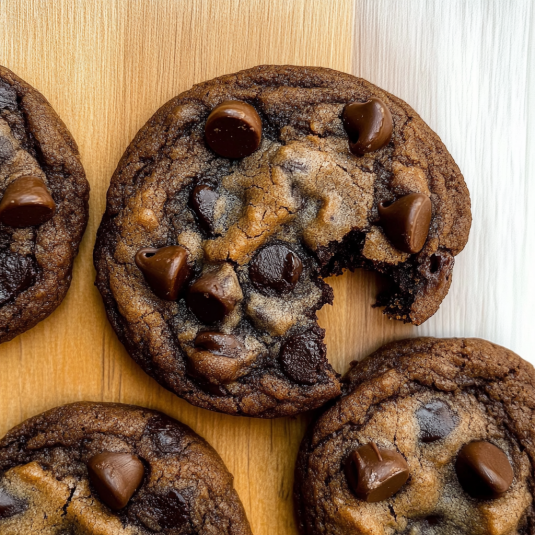
These double chocolate chip cookies bake up with crisp edges and a soft, fudgy center. Each bite tastes rich and deep, without being heavy. You can mix the dough in one bowl and have warm cookies ready in about 25 minutes from start to finish. No waiting. No chill time. Just thick, chocolate packed cookies that look bakery made and taste even better.
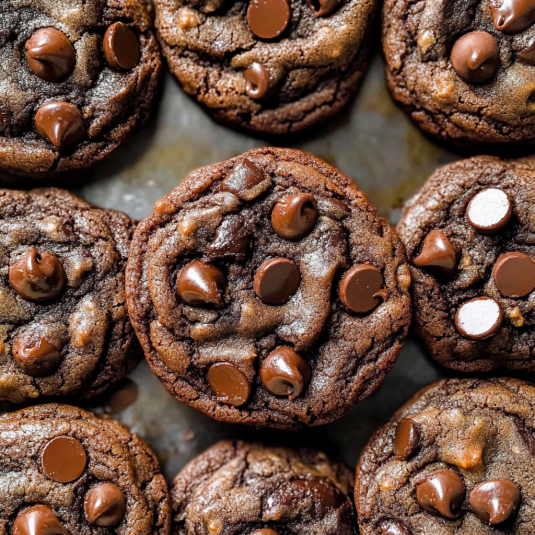
Table of Contents
Why This Recipe Works
This recipe focuses on balance and timing to give you reliable results every time.
First, there is no chilling step. Skipping the chill keeps the dough easy to work with and saves time. The flour and fat ratio is set so the cookies spread just enough while baking, even at room temperature.
Next, the cocoa choice matters. Using a mix of Dutch process cocoa and natural cocoa creates a deeper chocolate taste without bitterness. One adds smooth richness. The other adds sharp cocoa notes. Together, they build a fuller flavor.
Finally, two types of chocolate make a clear difference. Chocolate chips hold their shape and keep structure. Chocolate chunks melt into pockets that stay soft after cooling. This mix gives texture in every bite, not just sweetness.
Ingredients Spotlight
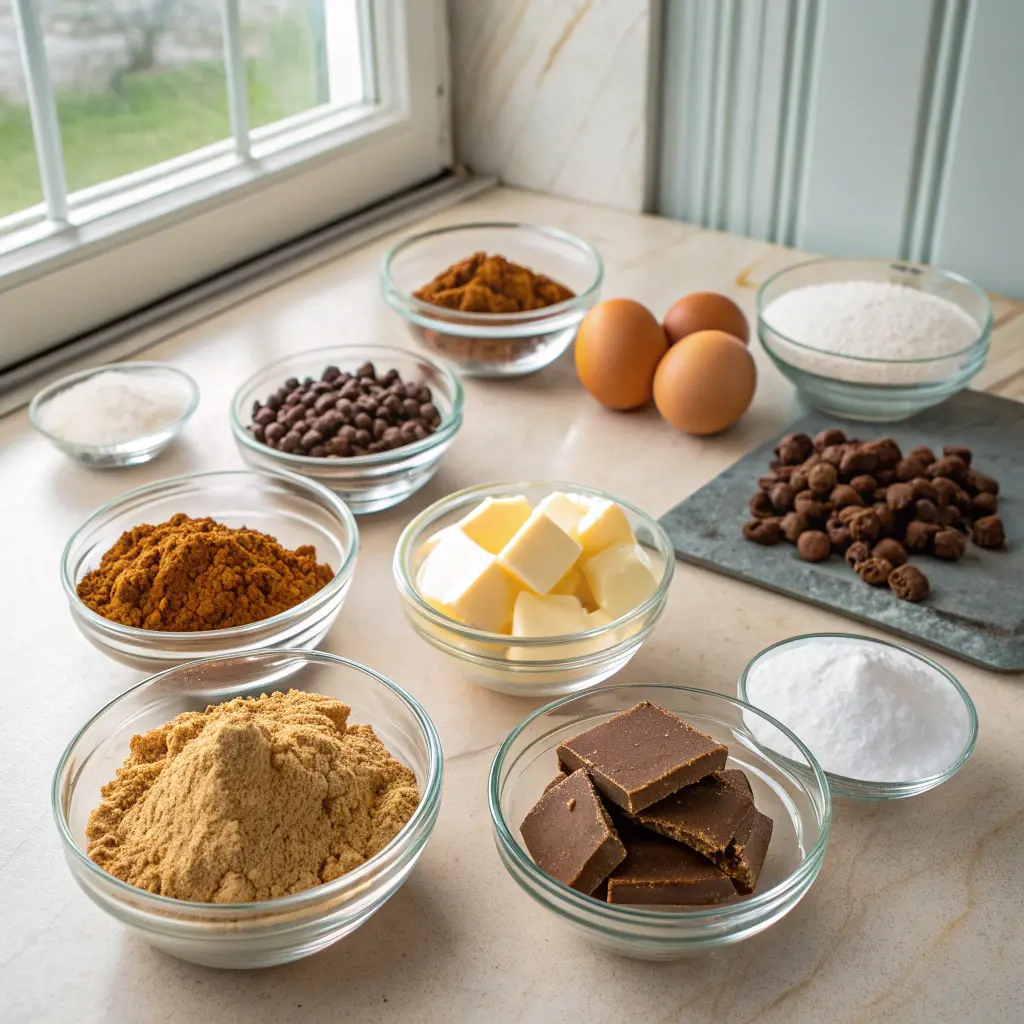
Each ingredient has a clear job. Quality matters because small changes affect texture and taste.
- Unsalted butter
Butter controls spread and flavor. Unsalted butter lets you manage salt levels and keeps the dough balanced. - Light brown sugar
This sugar adds moisture and a soft chew. The molasses content helps create a fudgy center instead of a dry crumb. - Granulated sugar
White sugar helps the cookies spread and adds crisp edges during baking. - Room temperature eggs
Eggs blend better when warm. This creates a smooth dough and even structure in the baked cookies. - Natural cocoa powder and Dutch process cocoa
Natural cocoa brings sharp chocolate notes. Dutch process cocoa adds depth and smooth color. Using both gives a richer result. - Espresso powder
A small amount boosts chocolate flavor without tasting like coffee. It makes the cocoa taste deeper and more rounded. - All purpose flour
Flour gives structure. Too much makes cookies dry. Measuring carefully keeps them thick and soft. - Baking soda
This helps the cookies rise and spread just enough for a chewy bite. - Sea salt flakes
Salt balances sweetness. Flakes on top add contrast and a clean finish. - Chocolate chips and chocolate chunks
Chips hold their shape. Chunks melt into soft pools. Together, they create texture in every bite.
Choosing the right cocoa powder affects more than just flavor. It changes the color of the cookies, how they rise in the oven, and even the final texture. During testing, both natural cocoa and Dutch process cocoa were used to understand how each one behaves in cookie dough. The table below clearly shows the differences and explains why combining them creates a better result.
| Feature | Natural Cocoa Powder | Dutch Process Cocoa |
|---|---|---|
| Flavor | Sharp, bold chocolate flavor | Smooth, deep, mellow chocolate |
| Color | Light to medium brown | Very dark, almost black |
| Acidity | Naturally acidic | Neutralized (low acidity) |
| Reaction with Baking Soda | ✅ Reacts well and helps cookies rise | ❌ Does not react on its own |
| Cookie Texture Result | Chewy with pronounced chocolate taste | Softer, fudgier mouthfeel |
| Best Use | Lighter, chewy cookies | Dark, rich, bakery-style cookies |
If you’re wondering about the best dark cocoa powder for cookies, Dutch process cocoa provides deeper color, while natural cocoa boosts structure.
Step by Step Instructions with Visuals
Follow these steps in order. Each one builds the right texture and keeps the dough from getting tough.
Creaming the Butter and Sugars
Add the unsalted butter, light brown sugar, and granulated sugar to a large bowl. Mix until the texture looks light and fluffy. This step adds air and helps the cookies bake evenly. Scrape the sides of the bowl so no dry spots remain.
Adding the Eggs and Flavor
Mix in the room temperature eggs one at a time. Stir until smooth after each addition. Add the vanilla and espresso powder. The dough should look glossy and thick at this stage.
Sifting the Dry Ingredients
In a separate bowl, sift the flour, cocoa powders, baking soda, and salt. Cocoa powder often forms clumps, and sifting breaks them up. This step helps the dough mix evenly without dark patches.
Combining Wet and Dry
Add the dry mix to the wet ingredients. Stir gently until just combined. Stop as soon as no dry flour is visible. Overmixing at this point can make the cookies dense.
Folding the Chocolate
Add the chocolate chips and chunks. Hand fold them into the dough using a spatula. This keeps the dough soft and prevents excess mixing.
Scooping the Dough
Scoop the dough into equal portions and place them on a lined baking sheet. Leave space between each scoop to allow gentle spreading during baking.
Double Chocolate Chip Cookies
- Total Time: 25 minutes
- Yield: 18 cookies 1x
- Diet: Vegetarian
Description
These double chocolate chip cookies bake up with crisp edges and a soft, fudgy center. Rich, deep chocolate flavor in every bite, mixed in one bowl with no chill time and ready in about 25 minutes from start to finish.
Ingredients
- 1 cup unsalted butter, softened
- 1 cup light brown sugar
- 1/2 cup granulated sugar
- 2 large eggs, room temperature
- 2 teaspoons vanilla extract
- 1 teaspoon espresso powder
- 1 3/4 cups all-purpose flour
- 1/3 cup natural cocoa powder
- 1/3 cup Dutch process cocoa powder
- 1 teaspoon baking soda
- 1/2 teaspoon salt
- 1 cup chocolate chips
- 1 cup chocolate chunks
- Sea salt flakes for topping
Instructions
- Preheat oven to 350°F (175°C) and line baking sheets with parchment paper.
- Cream the butter, light brown sugar, and granulated sugar until light and fluffy.
- Add eggs one at a time, mixing well after each addition.
- Mix in vanilla extract and espresso powder until smooth.
- In a separate bowl, sift together flour, natural cocoa powder, Dutch process cocoa powder, baking soda, and salt.
- Add dry ingredients to wet ingredients and mix just until combined.
- Fold in chocolate chips and chocolate chunks by hand.
- Scoop dough into equal portions and place on prepared baking sheets.
- Bake for 10–12 minutes until edges are set and centers look soft.
- Remove from oven, optionally scoot cookies for shape, and press extra chocolate on top.
- Sprinkle with sea salt flakes and cool briefly before transferring to a rack.
Notes
For best results, avoid overmixing the dough and remove cookies while centers still look slightly underbaked. Cookies will continue to set as they cool.
- Prep Time: 15 minutes
- Cook Time: 10 minutes
- Category: Dessert
- Method: Baking
- Cuisine: American
Nutrition
- Serving Size: 1 cookie
- Calories: 260
- Sugar: 22g
- Sodium: 180mg
- Fat: 14g
- Saturated Fat: 8g
- Unsaturated Fat: 5g
- Trans Fat: 0g
- Carbohydrates: 32g
- Fiber: 3g
- Protein: 4g
- Cholesterol: 45mg
3 Secrets for the Perfect Bakery Style Look
These small steps improve shape, texture, and final appearance. They take very little effort but make a clear difference.
Secret 1 The Cookie Scoot
As soon as the cookies come out of the oven, place a round cutter or glass around each cookie. Gently swirl it in a circle to pull the edges inward. This simple move creates thick, even circles while the cookies are still soft.
Secret 2 Extra Chocolate on Top
Press a few extra chocolate chips or chunks into the tops right after baking. The heat helps them melt slightly and stick. This adds visual appeal and signals rich chocolate flavor before the first bite.
Secret 3 Use a Cooling Rack
Move the cookies to a cooling rack after a few minutes. Leaving them on the hot pan traps steam and can make the bottoms damp. Airflow under the cookies keeps the edges crisp and the centers soft.
Substitutions and Variations
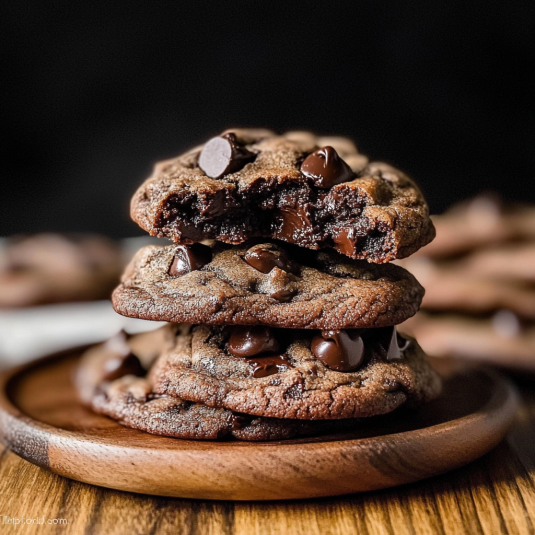
These options help you adjust the recipe based on diet needs or taste preferences. Each swap keeps the cookies rich and soft.
Vegan Option
Replace the butter with a plant based butter that is firm, not spreadable. Use a flax egg in place of each egg. Mix one tablespoon of ground flaxseed with two and a half tablespoons of water, then let it sit until thick. Choose dairy free chocolate chips to finish the swap.
Gluten Free Option
Use a one to one gluten free flour blend made for baking. Look for one that includes xanthan gum. Measure by weight if possible to avoid dry dough. The texture stays chewy when baked at the same temperature.
Lower Sugar Option
Reduce the granulated sugar slightly and keep the light brown sugar as is. This keeps moisture in the dough and prevents dryness. Do not cut sugar too much or the cookies may spread less.
Flavor Add Ins
- Chopped walnuts or pecans add crunch and balance the sweet dough
- White chocolate chips bring contrast and visual appeal
- A pinch of cinnamon adds warmth without covering the chocolate taste
- Sea salt flakes on top sharpen flavor and improve balance
Mix add ins by hand and stop once combined. This keeps the dough soft and prevents toughness.
Storage and Freezing Guide
Proper storage keeps the cookies soft and fresh for days.
Room Temperature Storage
Once the cookies are fully cool, place them in an airtight container. Store them at room temperature for up to four days. Adding a small piece of bread to the container helps keep moisture in and prevents the cookies from drying out.
Refrigeration
Refrigeration is not needed for baked cookies. Cold air can dry them out and change the texture. Room temperature storage works best for this recipe.
Freezing Baked Cookies
Let the cookies cool completely. Place them in a single layer in a freezer safe container or bag. Separate layers with parchment paper. They keep well for up to two months. Thaw at room temperature before serving.
Freezing Raw Dough Balls
Scoop the dough into balls and place them on a lined tray. Freeze until firm, then transfer to a freezer bag. Bake straight from frozen by adding one to two extra minutes to the bake time. This method works well for fresh cookies on demand.
Why Did My Cookies Fail? (Troubleshooting Guide)
Cookies Spread Too Much (Too Flat) ?
What went wrong:
The butter was too warm or partially melted before mixing.
Why it matters:
Overly soft or melted butter causes the dough to spread too quickly in the oven before the structure sets.
How to fix it:
- Use butter that is soft but still holds its shape
- If the dough feels loose or greasy, let it rest at room temperature for 10 minutes before baking
- Avoid mixing near a warm oven
Cookies Are Too Hard or Dense ?
What went wrong:
The dough was overmixed after adding the flour.
Why it matters:
Overmixing develops gluten, which leads to tough, bread-like cookies instead of a soft, fudgy texture.
How to fix it:
- Mix the flour in just until no dry streaks remain
- Switch to a spatula instead of a mixer when combining dry ingredients
- Stop mixing before the dough looks perfectly smooth
Cookies Didn’t Rise Properly ?
What went wrong:
Baking soda was expired or the cocoa type wasn’t balanced correctly.
Why it matters:
Natural cocoa reacts with baking soda, while Dutch process cocoa does not. Using the wrong balance can affect rise.
How to fix it:
- Check the freshness of your baking soda
- Follow the recipe’s cocoa combination without substitutions unless leavening is adjusted
Cookies Look Done but Taste Dry ?
What went wrong:
They were baked too long.
Why it matters:
Chocolate cookies firm up as they cool. Baking until they look fully set in the oven usually means overbaking.
How to fix it:
- Remove cookies when the edges are set but centers look soft
- Let them finish setting on the baking sheet after removing from the oven
The chewy texture secrets come down to brown sugar, controlled mixing, and pulling the cookies from the oven early.
FAQs
How to know when double chocolate cookies are done?
The edges should look set and slightly firm. The centers will look soft and a bit underbaked. This is normal. The cookies finish cooking as they cool on the pan.
Is it better to bake cookies at 350 or 375?
Baking at 350 gives better control. The cookies bake evenly, with soft centers and crisp edges. A higher temperature can brown the outside too fast before the inside sets.
What makes cookies cakey vs. chewy?
Cakey cookies have more eggs and more flour. Chewy cookies rely on brown sugar, butter, and careful mixing. This recipe keeps the dough dense and avoids excess air to stay chewy.
How do you keep cookies soft?
Do not overbake them. Remove the cookies while the centers still look soft. Store cooled cookies in an airtight container at room temperature to hold moisture.
Why are my cookies still soft after baking? Do cookies harden when they cool?
Yes, cookies firm up as they cool. Heat keeps them soft at first. As they rest, the structure sets and the texture becomes chewy instead of loose.
What will adding an extra egg do to my cookies?
An extra egg adds moisture and lift. This can make cookies thicker but more cake like. For a dense and fudgy texture, stick to the original egg amount.
Conclusion
These cookies fall into the soft batch cookies category, with centers that stay tender even after cooling. Whether you bake them for a quick treat or freeze the dough for later, this one-bowl chocolate dessert delivers rich flavor, chewy texture, and reliable results every time.