This is the one recipe framework most people look for when they want Best Chocolate Chip Cookies without stress. It works every time. The steps stay simple. The results stay consistent. Each choice in this guide has a clear reason behind it, so you know why it works, not just how. I have baked these cookies for years at home, tested small changes, and learned which details truly matter and which ones do not.
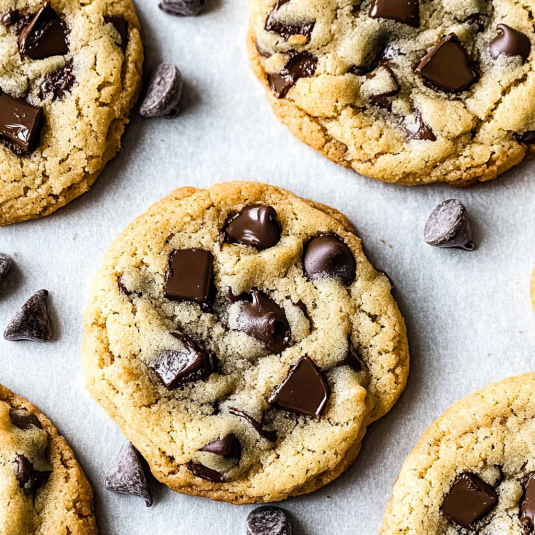
Table of Contents
Ingredient Deep Dive: Understanding the Science Behind the Perfect Cookie
Great cookies start before the oven turns on. Each ingredient controls spread, height, and bite.
Butter’s Role: Softened, Melted, or Browned?
Butter controls how much a cookie spreads and how rich it tastes.
- Softened butter gives balance. The cookie spreads just enough and stays tender.
- Melted butter leads to wider, thinner cookies with crisp edges.
- Browned butter adds a nut-like flavor but can cause extra spread if not cooled first.
For a classic result, softened butter works best.
Butter Creaming: Why This Step Controls Cookie Texture
Butter creaming is not just mixing — it’s structure building.
Creaming butter with sugar traps tiny air pockets inside the dough. These air pockets help cookies spread evenly while staying tender in the center.
Under-creamed butter creates dense cookies.
Over-creamed butter can cause excess spread and fragile edges.The goal is a smooth, slightly fluffy texture, not whipped. This step sets the foundation for consistent cookies every time.
The Sugar Ratio: Why Brown Sugar is the Key to Chewiness
Brown sugar holds molasses. Molasses adds moisture and weight.
- More brown sugar = more chew and deeper flavor.
- More white sugar = more spread and crisp edges.
A higher brown sugar ratio creates that bakery-style bite many people want.
Room Temperature Eggs: A Small Detail That Prevents Dough Issues
Room temperature eggs mix more evenly and stabilize the dough.
Cold eggs can seize butter, creating a broken or uneven dough. When eggs are at room temperature, they blend smoothly with creamed butter and sugar, maintaining proper emulsion.
This leads to better spread control, smoother texture, and uniform baking.
The Sea Salt Secret: Why It Makes Chocolate Cookies Taste Better
Salt doesn’t just balance sweetness. It sharpens flavor.
Using fine sea salt instead of regular table salt creates a cleaner, more pronounced chocolate taste. Sea salt dissolves more evenly into the dough and enhances the bitterness of cocoa without making the cookie taste salty.
For an extra bakery-style finish, sprinkle a few flakes of sea salt on top of the cookies right after baking. This contrast between sweet chocolate and light salinity is one of the quiet tricks professionals use to make cookies taste more complex and addictive.
Leavening Agents: Baking Soda vs. Baking Powder
These two are not the same.
- Baking soda reacts with acids in brown sugar. It helps cookies spread and brown.
- Baking powder adds lift and makes cookies puff up more.
Most classic chocolate chip cookies rely on baking soda for better color and chew.
The Flour Secret: Why Scooping Matters
Too much flour dries cookies out.
- Scooping flour straight from the bag packs it down.
- Lightly spooning flour into the cup keeps the amount accurate.
This small habit often decides whether cookies turn soft or dense.
How to Make the Best Chocolate Chip Cookies Step by Step
This is the core method that brings everything together. Follow these steps in order for steady, repeatable results.
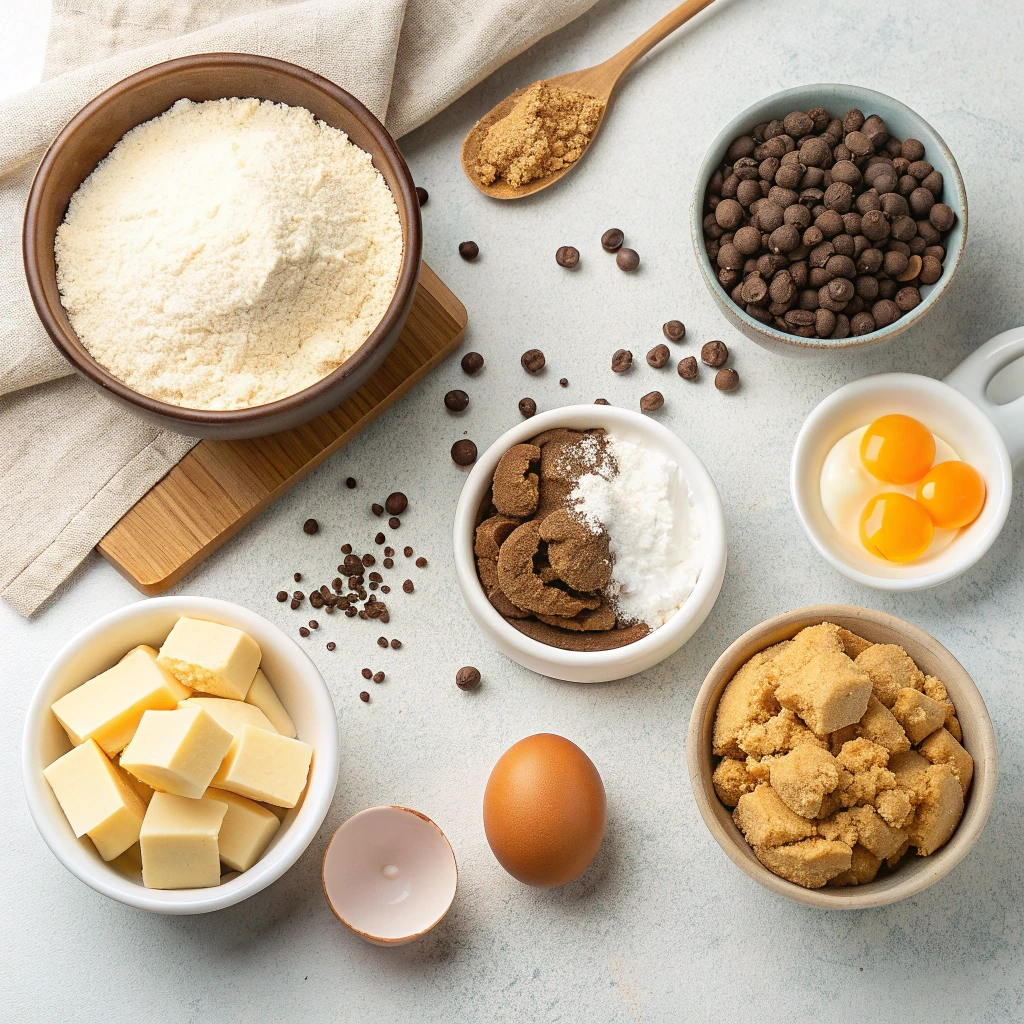
Step 1: Prepare Your Ingredients
Bring all ingredients to room temperature before you begin. This helps them mix evenly and keeps the dough stable.
You will need:
| Ingredient | US Measurement | Metric Measurement |
|---|---|---|
| All-purpose flour | 2 cups | 250 g |
| Unsalted butter (softened) | 1 cup | 225 g |
| Brown sugar (packed) | ¾ cup | 150 g |
| White sugar | ½ cup | 100 g |
| Eggs | 2 large | 100 g (without shells) |
| Vanilla extract | 2 tsp | 10 ml |
| Baking soda | 1 tsp | 5 g |
| Fine sea salt | ¾ tsp | 4 g |
| Chocolate chips / chopped chocolate | 1½ cups | 250 g |
Step 2: Mix Butter and Sugar
Place the softened butter, brown sugar, and white sugar in a bowl. Mix until smooth and slightly fluffy. This step adds structure and sets the base texture.
Step 3: Add Eggs and Vanilla
Add the eggs one at a time. Mix after each addition. Stir in the vanilla until fully combined. The dough should look glossy and thick.
Step 4: Combine Dry Ingredients
In a separate bowl, mix flour, baking soda, and salt. Stir to distribute everything evenly. Slowly add this mixture to the wet ingredients. Mix just until no dry flour remains.
Step 5: Add the Chocolate
Fold in the chocolate gently. Spread it evenly through the dough so each cookie gets a good amount.
Step 6: Rest the Dough Briefly
Let the dough sit for about 15 minutes. This allows the flour to absorb moisture and improves texture without adding extra time.
Step 7: Bake
Scoop dough onto a lined baking sheet, leaving space between each cookie. Bake in a preheated oven at 350°F until the edges look set and the centers look slightly soft.
Step 8: Cool and Set
Let the cookies rest on the baking sheet for a few minutes, then move them to a rack. They will finish setting as they cool, keeping the centers tender.
This method creates consistent cookies with balanced spread, strong chocolate flavor, and a soft center every time.
Chocolate Chip Cookie Troubleshooting Guide
Even with a solid recipe, small details can change the final result. Use this quick guide to identify the problem and fix it immediately.
| What Went Wrong | What You See | The Real Reason | How to Fix It |
|---|---|---|---|
| 🍪 Cookies spread too much | Very thin, flat cookies | Butter was too warm or melted | Use softened, not melted butter or chill dough 15–30 minutes |
| 🍪 Cookies are hard or dry | Crunchy after cooling | Too much flour | Spoon flour lightly or weigh it for accuracy |
| 🍪 Cookies didn’t spread | Thick, domed cookies | Dough too cold or too much flour | Let dough rest at room temp 10 minutes |
| 🍪 Pale cookies | Light color, weak flavor | Not enough baking soda or low oven heat | Check leavening freshness and oven temp |
| 🍪 Greasy cookies | Oily bottom | Butter overheated before mixing | Cool butter fully before combining |
| 🍪 Cakey texture | Bread-like crumb | Too much egg or baking powder | Use baking soda only and correct egg size |
| 🍪 Burnt edges, raw center | Dark rims, soft middle | Oven too hot | Lower temperature by 10–15°F |
| 🍪 No chocolate pockets | Dry bites | Low-quality chocolate | Use bars or high-cocoa chips |
Discover more similar recipes
- Chocolate Peppermint Cookies
- Nutella Cookies
- White Chocolate Cranberry Cookies
- Gingerbread Latte Cookies
- Caramel Cookies
The Ultimate Guide to Chocolate for Cookies
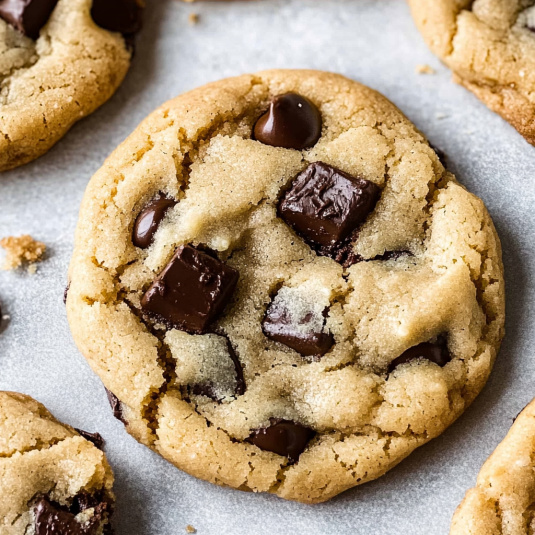
Chocolate choice changes texture just as much as butter or sugar.
Chocolate Chips vs. Chopped Bar vs. Wafers
Each option melts in a different way.
- Chocolate chips keep their shape and give clean bites.
- Chopped bars melt into pockets and streaks.
- Wafers melt flat and spread through the dough.
For contrast, many bakers mix chips with chopped bar chocolate.
Cocoa Percentage Matters
Cocoa content affects sweetness and depth.
- 50% tastes mild and sweet.
- 60% adds balance and richer flavor.
- 70% brings bold chocolate notes with less sugar.
A mix of 50% and 60% works well for most tastes.
Our Recommended Best Chocolate Brands for Baking
These brands melt well and taste consistent:
- Ghirardelli
- Guittard
- Valrhona
- Callebaut
- Lindt baking bars
Choose bars when you want visible chocolate pools.
Mastering Your Cookie Texture: A Comparison of 4 Popular Styles
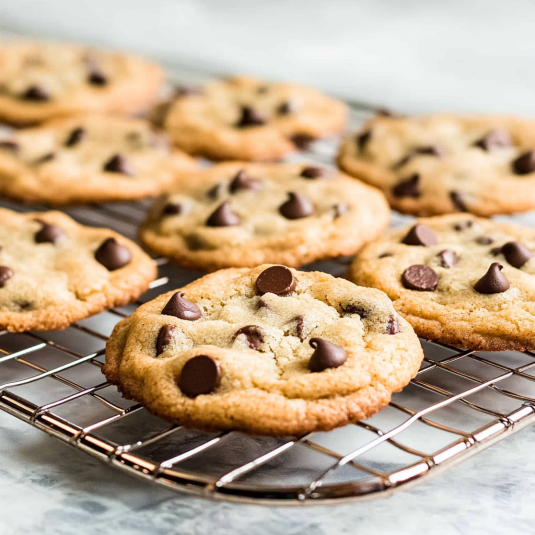
One base dough can create many results. Small changes make big differences.
Style 1: The Thin & Crispy Cookie
Adjustments:
- Use melted butter
- Increase white sugar
- Skip chilling the dough
Style 2: The Thick & Chewy Cookie (Bakery Style)
Adjustments:
- Chill dough for at least 24 hours
- Add 1–2 teaspoons cornstarch
- Bake at a slightly higher oven temperature
Style 3: The Super Soft & Cakey Cookie
Adjustments:
- Add baking powder
- Reduce butter slightly
- Add one extra tablespoon of milk
Style 4: The Classic Doughy Cookie
Adjustments:
- Follow the main recipe as written
- Use softened butter
- Bake until edges set and centers look pale
Fore more recipes follow me in Facebook, medium and Pinterest
Frequently Asked Questions
What makes a cookie chewy vs soft?
Chewy cookies rely on brown sugar, baking soda, and slightly underbaked centers. Soft cookies lean on baking powder and higher moisture.
Is it better to use baking soda or baking powder in chocolate chip cookies?
Baking soda works better for classic cookies because it helps with spread, browning, and chew.
What chocolate chips are best for chocolate chip cookies?
High-quality chips with real cocoa butter work best. Brands like Guittard and Ghirardelli are reliable.
What are common mistakes when making cookies?
Common issues include too much flour, butter that is too warm, and baking past the right point.
What butter is best for cookies?
Unsalted butter gives better control over flavor and texture.
How do bakeries get their cookies so soft?
They chill dough, use more brown sugar, and slightly underbake the cookies.
Best Chocolate Chip Cookies
- Total Time: 27 minutes
- Yield: 24 cookies 1x
- Diet: Vegetarian
Description
These Best Chocolate Chip Cookies deliver consistent results every time with simple steps, balanced sweetness, chewy centers, and rich chocolate flavor. This stress-free method explains not just how to bake them, but why each step works.
Ingredients
- 2 cups all-purpose flour
- 1 cup unsalted butter, softened
- ¾ cup brown sugar, packed
- ½ cup white sugar
- 2 large eggs, room temperature
- 2 teaspoons vanilla extract
- 1 teaspoon baking soda
- ¾ teaspoon fine sea salt
- 1½ cups chocolate chips or chopped chocolate
Instructions
- Bring all ingredients to room temperature before starting.
- In a large bowl, mix softened butter, brown sugar, and white sugar until smooth and slightly fluffy.
- Add eggs one at a time, mixing after each addition, then stir in vanilla extract.
- In a separate bowl, combine flour, baking soda, and sea salt.
- Gradually add dry ingredients to wet ingredients and mix just until no dry flour remains.
- Fold in chocolate chips or chopped chocolate evenly.
- Let the dough rest for 15 minutes at room temperature.
- Scoop dough onto a lined baking sheet, spacing cookies apart.
- Bake at 350°F until edges are set and centers look slightly soft.
- Cool on the baking sheet for a few minutes, then transfer to a rack to finish setting.
Notes
Use softened, not melted butter for best texture. Spoon flour lightly into measuring cups or weigh it to avoid dry cookies. Slightly underbake for soft, chewy centers.
- Prep Time: 15 minutes
- Cook Time: 12 minutes
- Category: Dessert
- Method: Baking
- Cuisine: American
Nutrition
- Serving Size: 1 cookie
- Calories: 210
- Sugar: 18g
- Sodium: 150mg
- Fat: 11g
- Saturated Fat: 7g
- Unsaturated Fat: 3g
- Trans Fat: 0g
- Carbohydrates: 27g
- Fiber: 1g
- Protein: 3g
- Cholesterol: 35mg