I have baked many shortbread cookies over the years, but this Almond Shortbread is the one I return to every time. It delivers a clean snap when you break it, then soft crumbs that melt on the tongue. No fuss. No tricks. Just a solid, dependable cookie that works every single time.
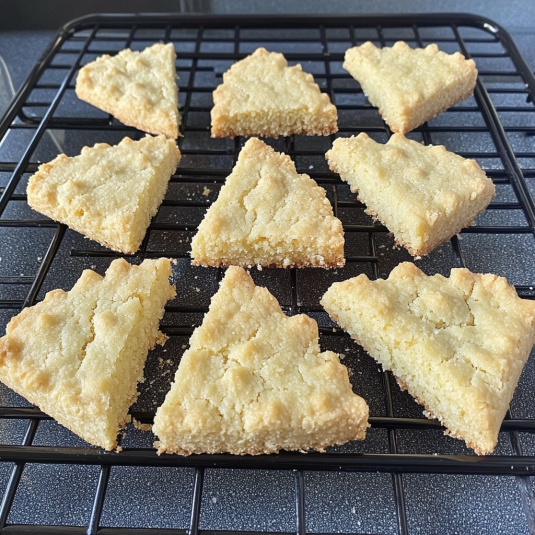
This recipe focuses on balance. Ground almonds add a gentle nut flavor without heaviness. Cold butter keeps the crumb short and tender. The dough stays firm, easy to shape, and bakes into cookies that hold their form instead of spreading flat.
Table of Contents
The Perfect Almond Shortbread Recipe: Ingredients and Instructions
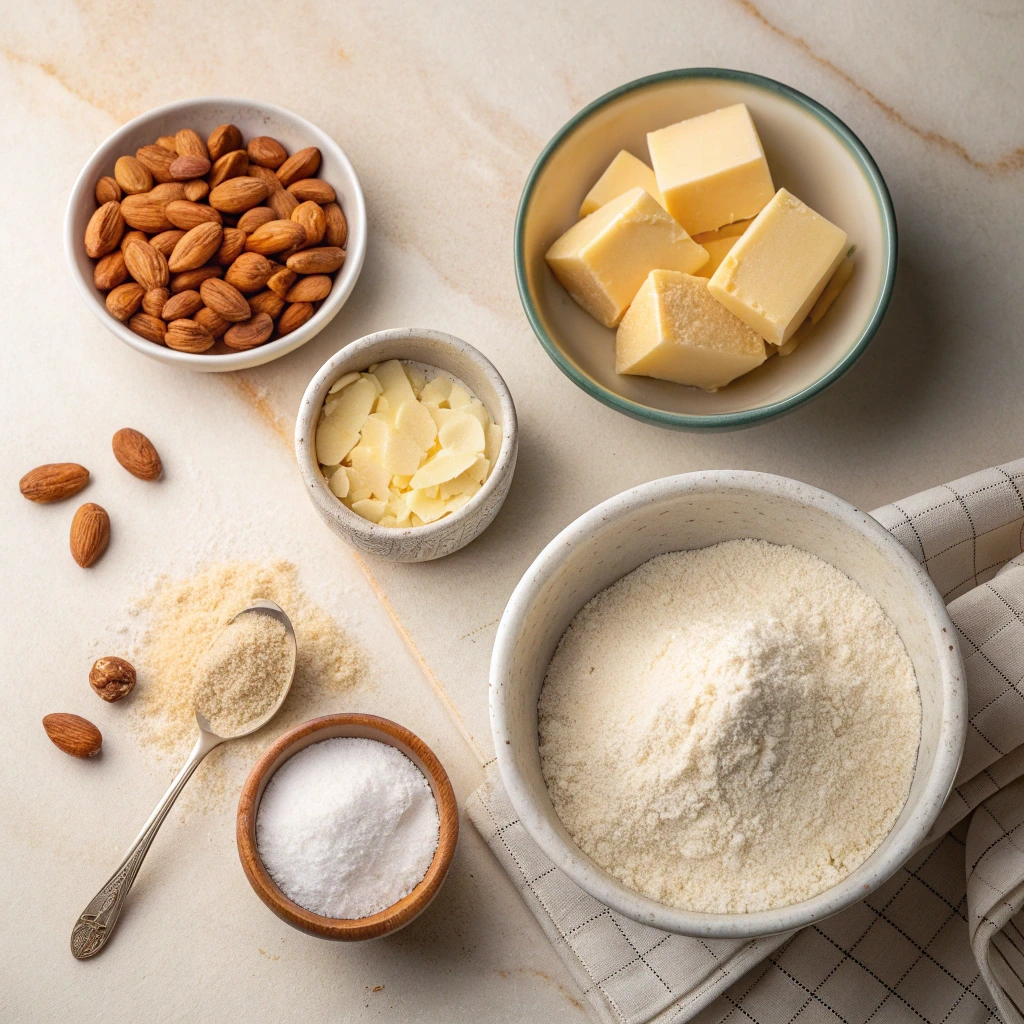
Ingredients
US Customary
- 1 cup unsalted butter, very cold, cubed
- 1/2 cup caster sugar
- 1 1/2 cups all purpose flour
- 3/4 cup ground almonds
- 1/4 cup cornflour
- 1/4 teaspoon fine salt
- 1 teaspoon vanilla extract
Metric
- 225 g unsalted butter, very cold, cubed
- 100 g caster sugar
- 190 g all purpose flour
- 75 g ground almonds
- 30 g cornflour
- 1 g fine salt
- 5 ml vanilla extract
Equipment Needed
- Food processor or stand mixer
- Large mixing bowl
- Baking tray
- Baking paper
- Rolling pin
- Sharp knife or cookie cutter
Step by Step Instructions
- Preheat the oven to 160 C or 325 F. Line a baking tray with baking paper.
- Blend the butter and sugar in a food processor until just combined. Stop as soon as the mixture looks smooth.
- Add dry ingredients including flour, ground almonds, cornflour, and salt. Pulse briefly until the dough starts to clump.
- Mix in vanilla and pulse once or twice more. Do not overwork the dough.
- Press the dough together with your hands. Shape into a flat disc.
- Chill for 30 minutes in the fridge. This step keeps the cookies firm during baking.
- Roll to 1 cm thickness on a lightly floured surface. Cut into fingers, rounds, or shapes.
- Bake for 18 to 22 minutes until pale with lightly golden edges.
- Cool on the tray for 10 minutes, then move to a rack to cool fully.
Mastering the Ingredients: Why Every Component Matters
Almond Meal vs. Almond Flour
Almond meal and almond flour look similar, but they act differently in shortbread. Almond meal is made from whole almonds, including the skins. It gives the cookies a deeper nut taste and a slightly coarser crumb. Almond flour is finer and lighter in color. It creates a softer bite but less texture.
For almond shortbread, almond meal works best. It holds structure and adds character without making the dough heavy.
The Role of Sugar
Caster sugar dissolves faster than regular granulated sugar. That matters in shortbread because the dough is mixed briefly. Fine sugar blends into the butter with less effort, which leads to a smoother crumb and clean snap after baking.
Granulated sugar can work, but it often leaves a rougher texture and uneven spread.
The Secret to Shortness: Fats and Eggs
Cold butter is non negotiable. High fat butter creates pockets of steam as it bakes. Those pockets form the tender crumb shortbread is known for. Warm butter softens too fast and causes spreading.
Some recipes add egg yolk for richness and light binding. This version skips eggs to keep the crumb clean and crisp. Both methods work, but egg free dough gives sharper edges and a lighter bite.
Achieving Perfect Texture: Cornflour and Rice Flour
Cornflour creates a soft, delicate cookie that melts quickly once bitten. It suits readers who like a smooth finish and fine crumb.
Rice flour or semolina creates a firmer crunch. The cookie feels drier and snaps harder. Choose this option if you prefer texture over softness.
Pick one based on how you like your shortbread. Tender and soft or crisp and firm.
History, Shapes, and Serving Suggestions
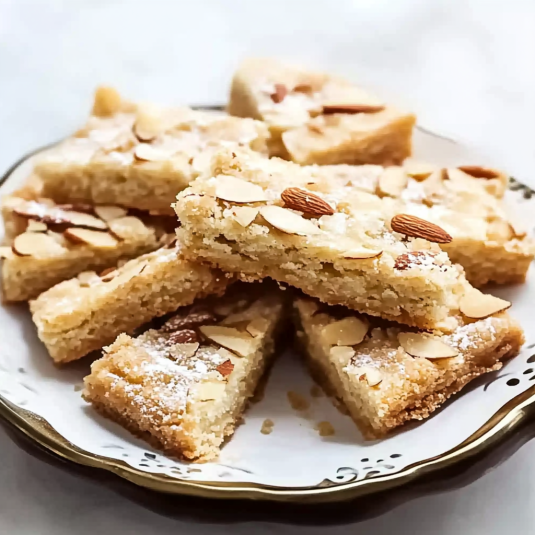
What are Petticoat Tails and Bosworth Jumbles?
Petticoat tails are one of the oldest shortbread styles. They are large round cookies cut into wedges before baking. The name is linked to the pleated skirts worn in Scotland centuries ago. These cookies were often marked with a fork for decoration and even baking.
Bosworth jumbles are an earlier almond based biscuit from England. They used ground nuts, sugar, and fat, much like modern almond shortbread. Their texture was firm on the outside with a tender center, which makes them a clear ancestor of today’s recipes.
Traditional Shortbread Shapes
Shortbread comes in a few classic forms, each with a purpose.
Fingers are thick strips that bake evenly and hold clean edges. They are ideal for serving with tea.
Rounds are pressed or cut into circles. They stay soft in the center and are easy to portion.
Cut outs work best when the dough is well chilled. They suit festive baking and gift boxes since the shapes stay sharp after baking.
The Origin of “Short” in Shortbread
The word short refers to the crumb. High fat dough breaks easily instead of stretching. Butter coats the flour and limits gluten formation. That is what gives shortbread its tender bite and soft crumble when you break a piece.
Storage and Make Ahead Tips
Storing Baked Cookies
Let the cookies cool fully before storing. Place them in an airtight container with a tight lid. Keep the container at room temperature, away from heat and light. The cookies stay fresh for up to 7 days. For best texture, add a sheet of baking paper between layers.
Freezing Unbaked Dough
Wrap the dough tightly in plastic wrap, then place it in a freezer bag. Press out excess air before sealing. Freeze for up to 2 months.
To use, move the dough to the fridge and let it thaw overnight. Once soft enough to roll, shape and bake as directed. Cold dough helps the cookies hold their shape.
Freezing Baked Cookies
Bake and cool the cookies fully. Arrange them in a single layer on a tray and freeze until firm. Transfer to a freezer safe container with baking paper between layers.
They keep well for up to 3 months. Thaw at room temperature for about 30 minutes before serving. The texture stays crisp with a tender crumb inside.
Fore more recipes follow me in Facebook, medium and Pinterest
FAQs
Can you make shortbread with almond meal?
Yes, you can. Almond meal works very well in shortbread. It adds a deeper nut flavor and a slightly textured crumb. Because almond meal includes the skins, the cookies bake with more character and structure than versions made with fine almond flour.
What is the secret to good shortbread?
The secret is cold butter, gentle mixing, and low heat. Butter must stay cold so it melts slowly in the oven. Mix only until the dough comes together. Too much handling makes the cookies dense. Baking at a lower temperature keeps the color pale and the crumb tender.
Is shortbread better with or without cornstarch?
That depends on the texture you want. Cornstarch makes shortbread softer and quicker to melt when eaten. Cookies without it have a firmer bite and more crunch. If you like a smooth, delicate crumb, use cornstarch. If you want a stronger snap, skip it.
What is the 3:2:1 rule for shortbread?
The 3:2:1 rule refers to a classic ratio by weight. Three parts flour, two parts butter, and one part sugar. This balance creates a rich dough that stays tender without spreading too much. Many almond shortbread recipes adjust this rule by replacing part of the flour with ground almonds.
How to stop shortbread cookies from spreading?
Chill the dough before baking. Always start with cold butter. Avoid overmixing, since warm dough spreads fast. Also check oven temperature. Too much heat melts the butter before the structure sets.
Can I add almond extract to shortbread cookies?
Yes, you can. Use a small amount, about one quarter teaspoon. Almond extract is strong and can overpower the butter and nuts if used too heavily. It works best as a background note rather than the main flavor.
Print
Almond Shortbread
- Total Time: 40 minutes
- Yield: 12 cookies 1x
- Diet: Vegetarian
Description
Buttery Almond Shortbread cookies with a clean snap and soft crumb, made with ground almonds and cold butter for a classic melt-in-the-mouth finish.
Ingredients
- 1 cup unsalted butter, very cold and cubed
- 1/2 cup caster sugar
- 1 cup ground almonds
- 1 3/4 cups all purpose flour
- 3 tablespoons cornflour or cornstarch
- 1/4 teaspoon fine salt
Instructions
- Add the cold butter and caster sugar to a bowl or food processor and mix just until smooth and pale.
- Add ground almonds, flour, cornflour, and salt and mix on low speed until the dough just comes together.
- Tip the mixture onto a clean surface and press gently into a flat disc.
- Wrap the dough and chill in the fridge for 30 minutes.
- Preheat the oven to 160°C / 320°F and line a baking tray with parchment paper.
- Roll the dough to about 1 cm thickness and cut into desired shapes.
- Bake for 20 to 25 minutes until the edges turn pale gold.
- Let the cookies rest on the tray for 10 minutes, then transfer to a rack to cool completely.
Notes
Cold butter and proper chilling are key to keeping the cookies from spreading and achieving the classic shortbread texture.
- Prep Time: 15 minutes
- Cook Time: 25 minutes
- Category: Dessert
- Method: Baking
- Cuisine: Scottish
Nutrition
- Serving Size: 1 cookie
- Calories: 207
- Sugar: 10g
- Sodium: 24mg
- Fat: 11g
- Saturated Fat: 5g
- Unsaturated Fat: 2.4g
- Trans Fat: 0.3g
- Carbohydrates: 25g
- Fiber: 1g
- Protein: 3g
- Cholesterol: 31mg