Gingerbread cheesecake brings back the feeling of winter holidays in one slice. The smell of warm spices fills the kitchen as molasses adds that deep, cozy sweetness people expect this time of year. The creamy filling pairs with those classic gingerbread flavors in a way that feels familiar and special at the same time. This is the kind of dessert that fits right in at a Christmas table or any cold night when comfort matters.
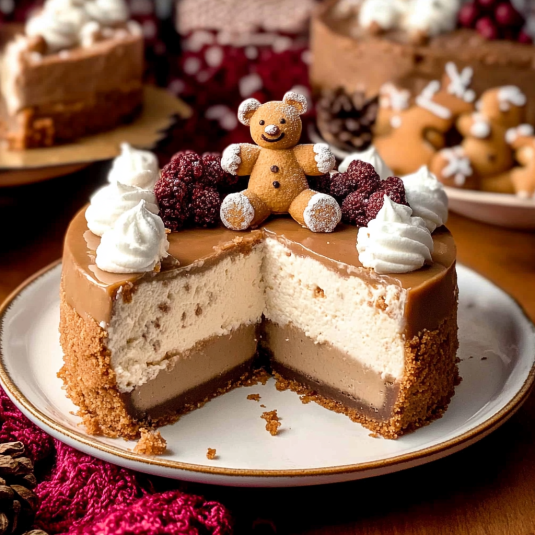
After testing dozens of variations, I found that the real secret to a great gingerbread cheesecake is the molasses choice, not just the spices.
Table of Contents
Why This Recipe Works
This gingerbread cheesecake is built to be reliable, even for first time bakers. The method skips a water bath, which removes a common source of stress. Instead, the recipe uses steady oven heat and balanced ingredients so the center sets without the top drying out. The result is a smooth surface and an even bake from edge to middle.
Texture is a major win here. The filling turns out silky smooth, not dense or heavy. Full fat cream cheese blends with molasses and spices for a rich bite that still feels light. The gingersnap crust adds contrast with a firm, crunchy base that holds its shape when sliced.
Flexibility also sets this recipe apart. You can bake it as a full 9 inch cheesecake for gatherings or divide the batter into mini cheesecakes for parties or gifting. The flavor and texture stay consistent either way, which makes planning much easier during the holidays.
Baked vs No Bake Gingerbread Cheesecake Comparison
| Feature | Baked Gingerbread Cheesecake | No Bake Gingerbread Cheesecake |
|---|---|---|
| Texture | Dense yet creamy with a firm slice | Light, smooth, and mousse like |
| Prep Time | Longer due to baking and cooling | Faster with no oven needed |
| Difficulty | Medium, requires timing control | Easy, beginner friendly |
| Setting Time | Sets after baking and chilling overnight | Sets only after chilling 6 hours or more |
| Best For | Traditional cheesecake lovers | Busy holidays or no oven space |
Ingredient Deep Dive: The Secret to Authentic Flavor
The ingredients in gingerbread cheesecake do most of the work, so each choice matters. Small swaps can change the taste and texture in a big way.
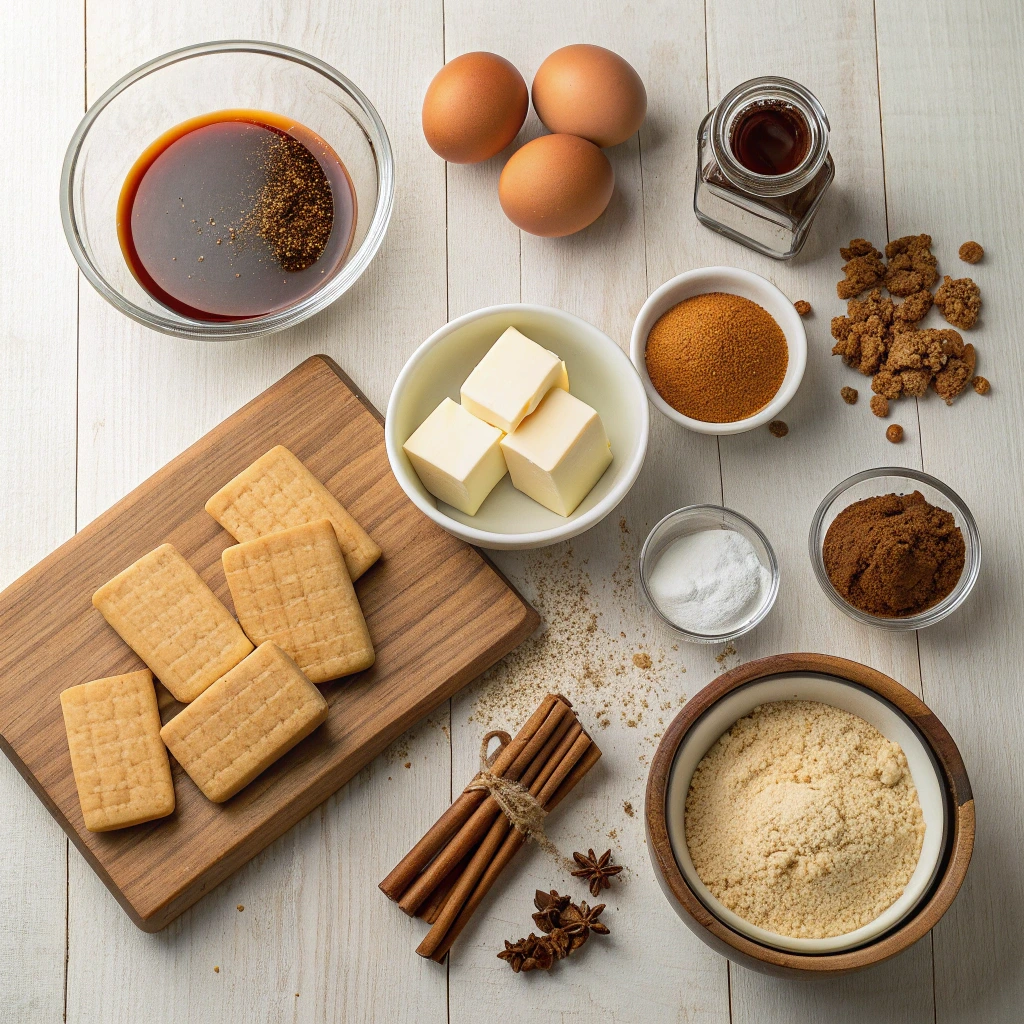
The Crust Options
Graham Crackers
Works well if you prefer a neutral crust that lets the filling stand out.
Gingersnaps
Best choice for strong spice flavor and classic gingerbread taste.
Shortbread
Ideal for a buttery base with a mild sweetness.
Molasses
- Dark unsulfured gives deep flavor.
- Never use blackstrap because it tastes bitter.
Cream Cheese
- Full fat only for smooth texture.
- Must be soft to avoid lumps.
Spices
Nutmeg and cloves for balance.
Ginger for heat.
Cinnamon for warmth.
How to Make This Gingerbread Cheesecake Gluten Free or Dairy Free
Gluten Free Option
You can make this recipe gluten free with very small changes and no flavor loss.
- Use gluten free gingersnap cookies or gluten free graham crackers for the crust
- Check that spices and molasses are labeled gluten free
- The filling ingredients are naturally gluten free
Result
The texture and taste stay almost identical to the original version.
Dairy Free Option
This version works best with the no bake method and needs a little extra chilling time.
- Use dairy free cream cheese made for baking
- Replace butter with plant based butter
- Swap sour cream for coconut cream or a dairy free alternative
Important Note
The dairy free version will be softer and lighter, so allow more time in the fridge to set fully.
Step by Step Instructions
Step 1: Make the Crust
Crush the gingersnap cookies into fine crumbs. Mix the crumbs with melted butter until the texture looks like damp sand. Press the mixture firmly into the bottom of a 9 inch springform pan. Use the back of a spoon or a flat glass to pack it down evenly. Set the pan aside while you prepare the filling.
Step 2: Prepare the Filling
Place the cream cheese in a large bowl. Beat it with the sugar until fully smooth. This step matters because it sets the base texture of the cheesecake. Take your time here and scrape the bowl so no lumps remain before moving on.
Step 3: Add Remaining Ingredients
Add the molasses, sour cream, vanilla, and spices. Mix on low speed just until combined. Add the eggs one at a time, still using low speed. Slow mixing helps avoid trapping air, which can cause cracks and uneven baking.
Step 4: Bake or Set
Pour the batter over the crust and smooth the top. For baked cheesecake, bake until the edges look set and the center has a gentle wobble. The internal temperature should reach about 150°F. For a no bake version, refrigerate until fully set. This usually takes at least 6 hours, though overnight is best for clean slices.
Gingerbread Cheesecake
- Total Time: 6 hours including chilling
- Yield: 12 slices 1x
- Diet: Vegetarian
Description
This gingerbread cheesecake blends warm spices, rich molasses, and a crunchy cookie crust into a creamy holiday dessert that works for baked or no bake plans.
Ingredients
- 2 cups gingersnap cookie crumbs
- 6 tablespoons unsalted butter, melted
- 24 oz full fat cream cheese, room temperature
- 1 cup granulated sugar
- 1/3 cup dark unsulfured molasses
- 3/4 cup sour cream, room temperature
- 1 teaspoon vanilla extract
- 2 teaspoons ground ginger
- 1 teaspoon ground cinnamon
- 1/4 teaspoon ground nutmeg
- 1/4 teaspoon ground cloves
- 3 large eggs, room temperature
Instructions
- Crush gingersnap cookies into fine crumbs and mix with melted butter.
- Press the crust firmly into the bottom of a 9 inch springform pan.
- Beat cream cheese and sugar together until completely smooth.
- Add molasses, sour cream, vanilla, and spices and mix on low speed until combined.
- Add eggs one at a time, mixing slowly after each addition.
- Pour batter over the crust and smooth the top.
- Bake until edges are set and the center gently wobbles, or refrigerate until fully set for no bake.
- Cool at room temperature, then chill in the refrigerator before slicing.
Notes
Use room temperature ingredients and mix on low speed after adding eggs to keep the cheesecake smooth and crack free.
- Prep Time: 25 minutes
- Cook Time: 60 minutes
- Category: Dessert
- Method: Baked or No Bake
- Cuisine: American
Nutrition
- Serving Size: 1 slice
- Calories: 478
- Sugar: 36.6 g
- Sodium: 333 mg
- Fat: 29 g
- Carbohydrates: 46.2 g
- Protein: 9.6 g
- Cholesterol: 130.9 mg
Expert Troubleshooting and Pro Tips
This section fixes the most common problems people run into when making gingerbread cheesecake. These tips come from real kitchen experience and help prevent wasted time and ingredients.
Why is my cheesecake jiggly
A slight wobble in the center is normal. The edges should look firm, while the middle moves gently when the pan is nudged. If the whole surface shakes like liquid, it needs more time. Cheesecake also firms up as it cools, so it may look softer when it first comes out of the oven.
How to fix lumpy batter
Lumps usually come from cold cream cheese or rushed mixing. If you spot lumps before baking, you can press the batter through a fine strainer to smooth it out. A blender also works, but use it briefly and on low speed. Too much blending adds air, which can lead to cracks later.
The pan leak hack
Springform pans often drip butter from the crust. Place the pan on a baking tray before putting it in the oven. This keeps your oven clean and avoids smoke or burnt smells during baking.
Mixing speed matters
Always mix on low speed once eggs are added. Fast mixing pulls in air, which causes the cheesecake to rise, then sink as it cools. Slow mixing keeps the texture smooth and even.
These small steps make a big difference and help the cheesecake set properly with a clean slice every time.
Serving and Storage
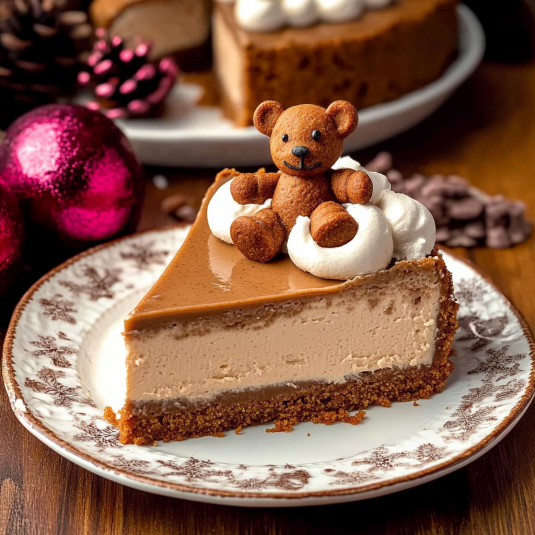
Gingerbread cheesecake tastes best when it has time to rest. After baking or setting, let it cool at room temperature for about one hour. Then refrigerate it for at least 4 to 6 hours. Overnight chilling is ideal and gives the cleanest slices. This makes it a great make ahead dessert for holidays and gatherings.
Freezing Instructions
Cheesecake freezes well if wrapped the right way. Chill it fully first. Then slice it or leave it whole. Wrap tightly in plastic wrap, followed by a layer of foil. Store in the freezer for up to 1 to 2 months. To serve, thaw overnight in the fridge. Do not thaw at room temperature, as this affects texture.
Serving Tips
For neat slices, wipe the knife clean between cuts. Serve chilled for the best texture and flavor.
Garnish Ideas
Top each slice with homemade whipped cream for a light finish. Molasses mousse adds extra depth for spice lovers. Mini gingerbread men also work well as a festive touch and make the dessert feel special without much effort.
Let’s bake together! I will explain all the steps in detail in the written recipe. If you try this recipe, don’t forget to tag me on Facebook, and you can also follow me on Pinterest.
FAQs
What gives gingerbread its flavor?
Gingerbread flavor comes from a mix of molasses and warm spices. Dark unsulfured molasses adds deep sweetness and color. Ground ginger brings heat, while cinnamon adds warmth. Nutmeg and cloves round out the taste with a subtle bite. Together, these ingredients create the classic gingerbread profile people recognize.
How do I know if cheesecake is done after baking?
The edges should look firm and slightly puffed, while the center should move gently when the pan is nudged. This soft movement is normal and means the cheesecake will set as it cools. For a more exact check, the internal temperature should reach about 150°F.
Why use a water bath when baking cheesecake?
Water baths help control heat and reduce cracking. This recipe does not require one because it uses a steady baking temperature and a balanced filling. These factors help the cheesecake bake evenly without drying out the top, which makes the process simpler.
How long should cheesecake rest after baking?
Let the cheesecake cool at room temperature for about one hour. After that, refrigerate it for at least 4 to 6 hours. Overnight chilling works best and helps the cheesecake fully set for clean slices.
Do I need to refrigerate gingerbread cheesecake?
Yes. Cheesecake contains cream cheese and eggs, which must stay cold. Keep it refrigerated when not serving. It should not sit out for more than two hours at room temperature.
What happens if you overmix cheesecake batter?
Overmixing adds too much air to the batter. This causes the cheesecake to rise during baking, then sink or crack as it cools. It can also lead to a grainy texture. Mixing on low speed, especially after adding eggs, helps keep the filling smooth and stable.