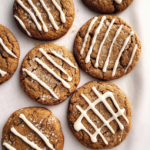
I’ve baked a lot of cookies over the years, but Brown Butter Sugar Cookies remain one of my personal favorites. The warm nutty smell from the browned butter sets the tone for a cookie that tastes richer than a classic sugar cookie. Each bite has a soft center, crisp edges, and a caramel-like depth that comes from browning the milk solids.

These cookies stand out because the browned butter adds a strong nutty flavor that regular butter can’t match. I also use a small tweak in the dough that gives the cookies a steady chew and keeps them from turning dry. This recipe is simple to follow and works even if it is your first time browning butter.
If you want a cookie that tastes warm, soft, chewy, and full of rich flavor, this recipe brings all of that together in a reliable way.
Table of Contents
Ingredients Needed
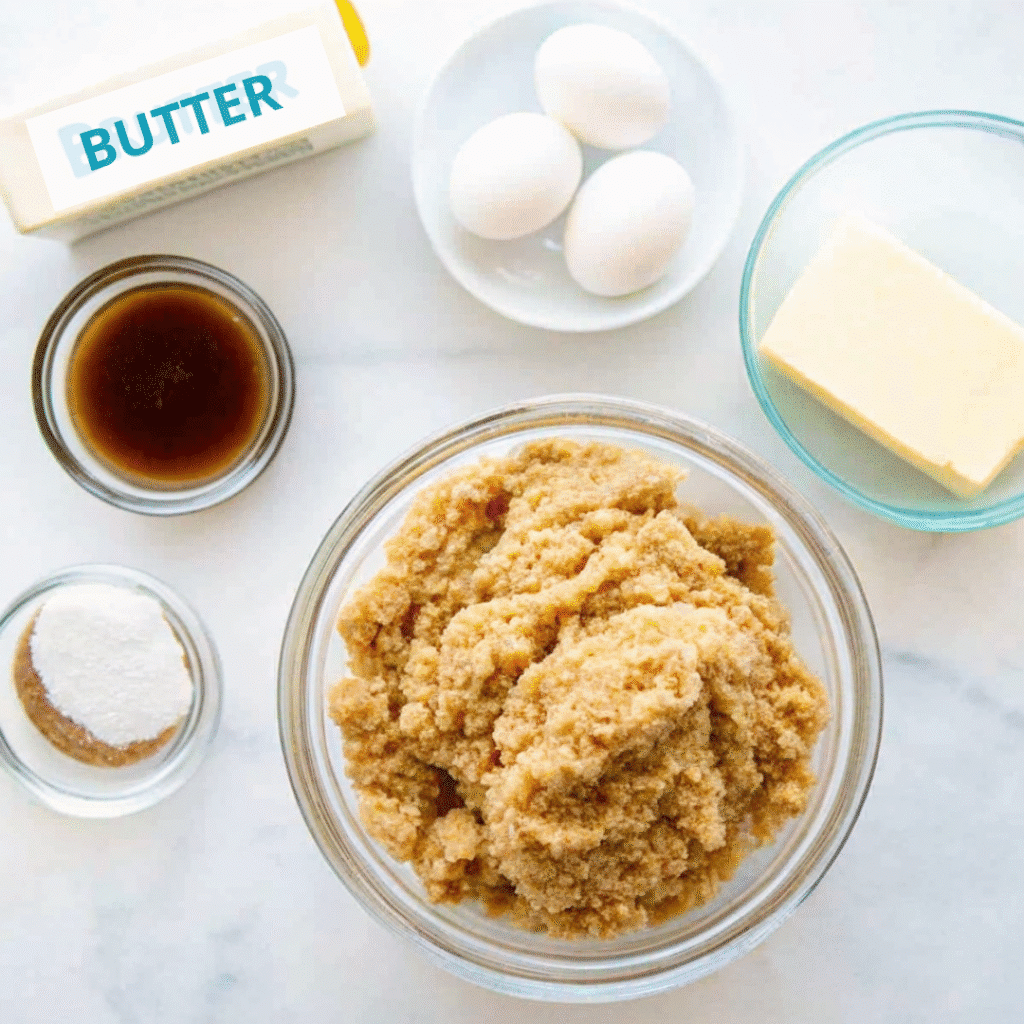
Here is a clear and simple list of what you will need. I grouped the ingredients so the recipe is easier to follow and added small notes to help you get the best texture and flavor.
For the Cookie Base
- 1 half cup unsalted butter, cut into tablespoon-size pieces, 113 g
- 1 half cup granulated sugar, 100 g
- 1 quarter cup packed light brown sugar, 50 g
- 1 large egg, room temperature, 56 g
- 1 teaspoon vanilla extract or vanilla bean paste, 5 g
Dry Ingredients
- 1 cup all purpose flour, 125 g
- 1 half teaspoon baking soda, 3 g
- 1 half teaspoon fine salt, 3 g
- Cornstarch 1 to 2 teaspoons (This small amount helps the cookies stay soft and gives them a thicker shape.)
For Rolling
- White sanding sugar or extra granulated sugar
If you want the dough to mix smoothly, make sure the egg and browned butter are at room temperature before you start.
How to Make Brown Butter Sugar Cookies
Follow these clear steps for smooth mixing, steady spreading, and a soft chewy center.
Step 1 Brown the butter
Cut the unsalted butter into small pieces and place it in a light colored pan over medium heat. Stir nonstop with a rubber spatula so the milk solids do not stick to the bottom. The butter will melt, then begin to foam and sizzle around the edges. Keep stirring until the color shifts to a deep golden shade. This usually takes five to six minutes from the moment the butter fully melts. Look for tiny brown bits at the bottom of the pan and a strong nutty smell. These brown bits give the cookies their rich flavor.
Pro Tip: Use Milk Powder for Deeper Brown Butter Flavor
If you want to take these thick and chewy brown butter sugar cookies to a professional level, add milk powder when browning the butter.
Why Milk Powder Works
Milk powder is rich in milk proteins and lactose, which intensify the browning process. When added to butter, it:
- Enhances Maillard reactions
- Creates deeper caramel and toffee notes
- Boosts the nutty aroma of browned butter
This technique is often used by professional bakers to amplify flavor without adding extra sweetness or moisture.
How to Use Milk Powder in Brown Butter
- Add 1 to 2 teaspoons of milk powder to the butter as it melts
- Stir constantly while browning to prevent scorching
- Brown the butter as usual until golden with toasted milk solids
The result is a richer, more complex brown butter that gives the cookies a bakery-style depth you won’t get from standard recipes.
Does This Change the Texture?
No. When used in small amounts, milk powder:
- Does not affect spread
- Does not dry out the dough
- Only enhances flavor
That makes it a perfect upgrade for thick and chewy cookies.
Step 2 Cool the browned butter
Pull the pan off the heat right away so the butter does not burn. Pour it into a heatproof bowl to stop the cooking. Set the bowl in the fridge for about forty five minutes or until the butter firms up and reaches room temperature. This step is important because warm butter makes the dough too loose.
Step 3 Cream the butter and sugars
Place the cooled browned butter in a large bowl. Add the granulated sugar and the light brown sugar. Mix with a hand mixer for about two minutes until the mixture looks lighter and slightly fluffy. If you are mixing by hand, whisk with steady speed for about three minutes.
Step 4 Add the egg and vanilla
Crack in the egg and add the vanilla. Mix on medium until everything blends into a smooth mixture. Scrape the sides of the bowl so the dough mixes evenly.
Step 5 Add the dry ingredients
Add the flour, baking soda, salt and the cornstarch. Mix on low speed until the dough looks even. The small amount of cornstarch plays an important part in the texture. It softens the gluten in the flour, which keeps the centers tender. It also helps the dough stay thick as it bakes, so the cookies come out with a soft center instead of spreading too flat. The dough will still feel sticky at this stage and that is normal.
Step 6 Scoop and chill the dough
Scoop portions of dough that are about two tablespoons each and place them on a parchment lined plate or tray. You should have around twelve dough balls. Chill the dough for at least one hour or chill overnight for deeper flavor and better structure.
Step 7 Preheat the oven
While the dough chills, set your oven to 350 F or 175 C. Prepare two baking pans with parchment paper or a silicone mat.
Step 8 Roll and bake
Take the chilled dough out of the fridge. Roll each dough ball in sanding sugar or granulated sugar until fully coated. Place six dough balls on each prepared pan, spacing them about three inches apart. Bake one pan at a time for eleven to thirteen minutes until the edges turn lightly golden. Keep the second pan in the fridge until the first batch is done.
Step 9 Cool the cookies
Let the cookies rest on the baking pan for five minutes. Move them to a wire rack and let them finish cooling. This helps the centers set while keeping the edges crisp.
Print
Brown Butter Sugar Cookies
- Total Time: 1 hour 22 minutes
- Yield: 12 cookies 1x
- Diet: Vegetarian
Description
Soft and chewy brown butter sugar cookies with a warm nutty aroma, rich caramel-like depth, lightly crisp edges, and tender centers.
Ingredients
- 1/2 cup (113g) unsalted butter, cut into tablespoon pieces
- 1/2 cup (100g) granulated sugar
- 1/4 cup (50g) packed light brown sugar
- 1 large egg (about 56g), room temperature
- 1 teaspoon (5g) vanilla extract or vanilla bean paste
- 1 cup (125g) all-purpose flour
- 1/2 teaspoon (3g) baking soda
- 1/2 teaspoon (3g) fine salt
- 1–2 teaspoons cornstarch
- White sanding sugar or extra granulated sugar for rolling
Instructions
- Brown the butter in a light-colored pan over medium heat, stirring constantly until golden and nutty.
- Pour into a heatproof bowl and chill until softened and at room temperature, about 45 minutes.
- Mix cooled brown butter with granulated and brown sugar until light and slightly fluffy.
- Add egg and vanilla and mix until smooth.
- Add flour, baking soda, salt, and cornstarch; mix until combined.
- Scoop about 2 tablespoons of dough per cookie, forming 12 balls; chill at least 1 hour.
- Preheat oven to 350°F (175°C) and line baking sheets with parchment.
- Roll chilled dough balls in sanding sugar and place 6 per sheet; bake 11–13 minutes.
- Cool on the baking sheet for 5 minutes, then transfer to a rack to cool completely.
Notes
Chilling the dough ensures thick cookies with soft centers and enhances the brown butter flavor.
- Prep Time: 1 hour 10 minutes
- Cook Time: 12 minutes
- Category: Dessert
- Method: Baking
- Cuisine: American
Nutrition
- Serving Size: 1 cookie
- Calories: 162
- Sugar: 13g
- Sodium: 158mg
- Fat: 8g
- Saturated Fat: 5g
- Unsaturated Fat: 3g
- Trans Fat: 0g
- Carbohydrates: 21g
- Fiber: 0g
- Protein: 2g
- Cholesterol: 36mg
Why This Recipe Works
The success of these Brown Butter Sugar Cookies doesn’t come from a single ingredient—it comes from the smart interaction between browned butter and cornstarch in the dough.
How Brown Butter Transforms the Flavor
When butter is browned, the milk solids toast and caramelize. This creates:
- A deep, nutty aroma
- Natural caramel-like notes
- A richer, warmer flavor than regular butter
However, browned butter also loses some moisture during cooking. On its own, this can lead to cookies that spread too much or bake up dry if the dough isn’t properly balanced.
That’s where cornstarch comes in.
The Role of Cornstarch in Texture
A small amount of cornstarch dramatically improves the structure of the cookies:
- It limits gluten development, keeping the cookies tender instead of tough
- It locks in moisture, helping the centers stay soft for days
- It gives the dough more stability, preventing excessive spreading
Together, browned butter provides flavor depth, while cornstarch controls texture. The result is a cookie with crisp edges, a soft and chewy center, and a rich, bakery-style finish—without needing complicated techniques.
Variations and Next Level Tips

Recipe Variations and Substitutions
You can adapt this recipe to fit different needs without losing the soft chewy texture.
Gluten free option
Use a cup for cup gluten free flour blend. Pick a blend that already includes xanthan gum for better structure.
Egg free option
Use three tablespoons of plain yogurt or use a flax egg made from one tablespoon ground flax mixed with three tablespoons water. Let the mixture thicken for ten minutes before adding it.
Flavor add ins
Chocolate chips add sweetness and extra richness.
Chopped pecans or walnuts add a light crunch and match the nutty taste from the browned butter.
A small pinch of cinnamon in the dry ingredients adds warmth without overpowering the cookie.
The Ultimate Frosted Variation
Cream cheese frosting pairs well with the nutty browned butter flavor. Here is a quick version you can add to fully cooled cookies.
Cream Cheese Frosting
Four ounces cream cheese, softened
Two tablespoons unsalted butter, softened
One cup powdered sugar
Half teaspoon vanilla
Beat the cream cheese and butter until smooth. Add the powdered sugar and vanilla. Mix until creamy and spreadable. Frost the cookies once they are cool to the touch. The frosting adds a smooth tangy finish that balances the caramel like flavor in the cookie.
Storage, Gifting, and Presentation Tips
Store baked cookies in an airtight container at room temperature for three to four days. If you want to keep them longer, freeze them for up to two months. Place parchment between layers so they keep their shape.
To freeze the dough, place the dough balls on a tray until firm, then transfer them to a freezer safe bag. They bake well straight from frozen. Add one or two extra minutes to the bake time.
For gifting, let the cookies cool, then pack them in a small bakery style box or a clear bag tied with ribbon. Add a sheet of parchment between each cookie to keep the sugar coating intact. These cookies keep their shape well, which makes them perfect for homemade gifts or party favors.
Let’s bake together! I will explain all the steps in detail in the written recipe. If you try this recipe, don’t forget to tag me on Facebook, and you can also follow me on Pinterest.
FAQs
How to tell when brown butter is done?
Look for a deep golden color and tiny brown specks at the bottom of the pan. The smell will change from mild to a strong nutty aroma. Once you see the color shift and the nutty scent becomes clear, the butter is ready.
How long should I let brown butter cool for cookies?
Let the browned butter cool until it firms up and reaches room temperature. This usually takes about forty five minutes in the fridge. If the butter is too warm, the dough will spread too fast in the oven.
Why is my brown sugar cookie not spreading out when baking?
Cookies fail to spread when the dough is too cold or the flour measurement is too high. Let the dough rest at room temperature for a few minutes before baking. If the dough still seems stiff, reduce the flour slightly next time.
How to know when brown sugar cookies are done?
The edges should look light golden while the centers still look soft. The cookies will continue to set as they cool on the pan. If the edges turn dark, the cookies will become crisp instead of chewy.
What is the purpose of brown sugar in cookies?
Brown sugar adds moisture and creates a chewy texture. It also brings a mild caramel flavor that pairs well with the nutty browned butter.
What is the secret to soft cookies?
Soft cookies come from the right balance of moisture and chill time. Using brown sugar, letting the dough rest in the fridge, and pulling the cookies out when the edges are just set will keep the centers soft and tender.
Can I brown butter in the microwave?
Yes, you can brown butter in the microwave, but it requires extra attention and is less predictable than stovetop browning.
Place the butter in a microwave-safe bowl and heat it in 30–40 second intervals, stirring between each round. Watch closely for a color change and a nutty aroma, as butter can burn very quickly in the microwave.
How do I save browned butter if it starts to burn?
How do I save browned butter if it starts to burn?
If the butter smells bitter or burnt, it cannot be saved and should be discarded.
However, if you catch it early:
Immediately remove the pan from heat
Pour the butter into a heatproof bowl to stop the cooking
Avoid scraping any blackened solids from the bottom of the pan
Browned butter should smell nutty and warm, not sharp or smoky.
Why aren’t my cookies thick and chewy?
Cookies lose their thickness when the butter is too warm, the dough isn’t chilled long enough, or the flour-to-fat ratio is off. For thick and chewy cookies, chilled dough and proper flour measurement are essential.