These lemon sugar cookies bring bright citrus taste with a soft center and light crisp edges. They use real lemon zest and juice for a clean flavor that tastes fresh, not fake. The dough comes together fast, bakes evenly, and works well for both new and experienced bakers.
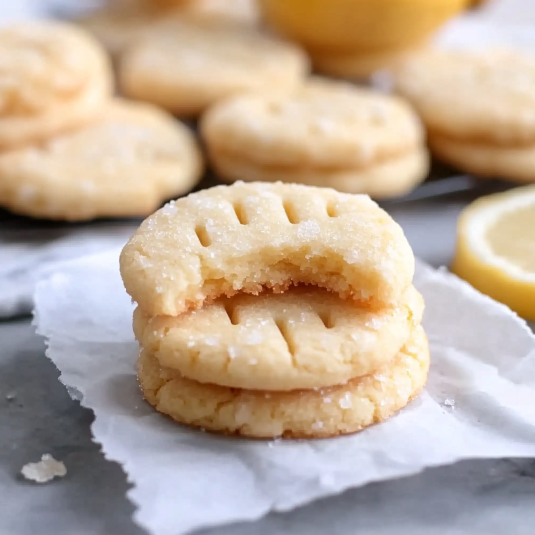
Table of Contents
Why This Recipe Works
- Real lemon taste
This recipe uses fresh lemon zest and juice. The flavor comes from the fruit itself, not from extract alone. - Soft center with light crisp edges
The balance of fat, sugar, and flour gives cookies that stay soft in the middle while the edges set just right. - Simple process
The dough mixes in one bowl and does not require rolling or complex steps. That makes it easy to repeat with the same results each time. - Reliable texture
Room temperature ingredients blend smoothly, which helps the cookies bake evenly and hold their shape.
Lemon Sugar Cookies
- Total Time: 21 minutes
- Yield: 20 cookies 1x
- Diet: Vegetarian
Description
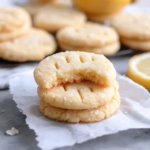
Soft lemon sugar cookies with lightly crisp edges and a fresh citrus flavor. Made with real lemon zest and juice, these cookies are easy to make, beginner friendly, and stay soft and chewy after baking.
Ingredients
- 2 1/4 cups all purpose flour
- 1 cup granulated sugar
- 3/4 cup unsalted butter, room temperature
- 1 large egg, room temperature
- Fresh lemon zest from 2 lemons
- 2 tablespoons fresh lemon juice
- 1/2 teaspoon baking soda
- 1/2 teaspoon salt
- 1 teaspoon vanilla extract
Instructions
- Rub the lemon zest into the granulated sugar until slightly moist and fragrant.
- Add the room temperature butter and cream with the lemon sugar until light and fluffy.
- Mix in the egg, lemon juice, and vanilla extract until smooth.
- Add the flour, baking soda, and salt and mix just until combined.
- Scoop dough using a cookie scoop and roll lightly into balls.
- Roll each dough ball in granulated sugar.
- Place on a lined baking sheet with space between cookies.
- Chill the dough for 30 to 60 minutes.
- Bake at 350°F (175°C) for 10 to 11 minutes until edges are set and centers are soft.
- Cool on the baking sheet before transferring.
Notes
For best texture, do not overbake. Cookies should look slightly underdone in the center when removed from the oven.
- Prep Time: 10 minutes
- Cook Time: 11 minutes
- Category: Dessert
- Method: Baking
- Cuisine: American
Nutrition
- Serving Size: 1 cookie
- Calories: 123
- Sugar: 10g
- Sodium: 96mg
- Fat: 5g
- Saturated Fat: 3g
- Unsaturated Fat: 2g
- Trans Fat: 0g
- Carbohydrates: 18g
- Fiber: 0.3g
- Protein: 1g
- Cholesterol: 19mg
The Science of the Lemon Sugar
This step is what gives these cookies a strong lemon taste without adding extra liquid.
Before mixing the dough, lemon zest is rubbed into granulated sugar using clean fingers. As you press and rub, the sugar turns slightly damp and smells bright. This happens because the motion releases natural oils from the lemon peel.
Those oils carry most of the lemon flavor. When they coat the sugar first, the flavor spreads through the dough more evenly than zest added later. Mixing alone does not release the same level of aroma.
This small step makes a clear difference. The cookies taste fresh, fragrant, and lemon forward from the first bite to the last.
Ingredients and Expert Tips
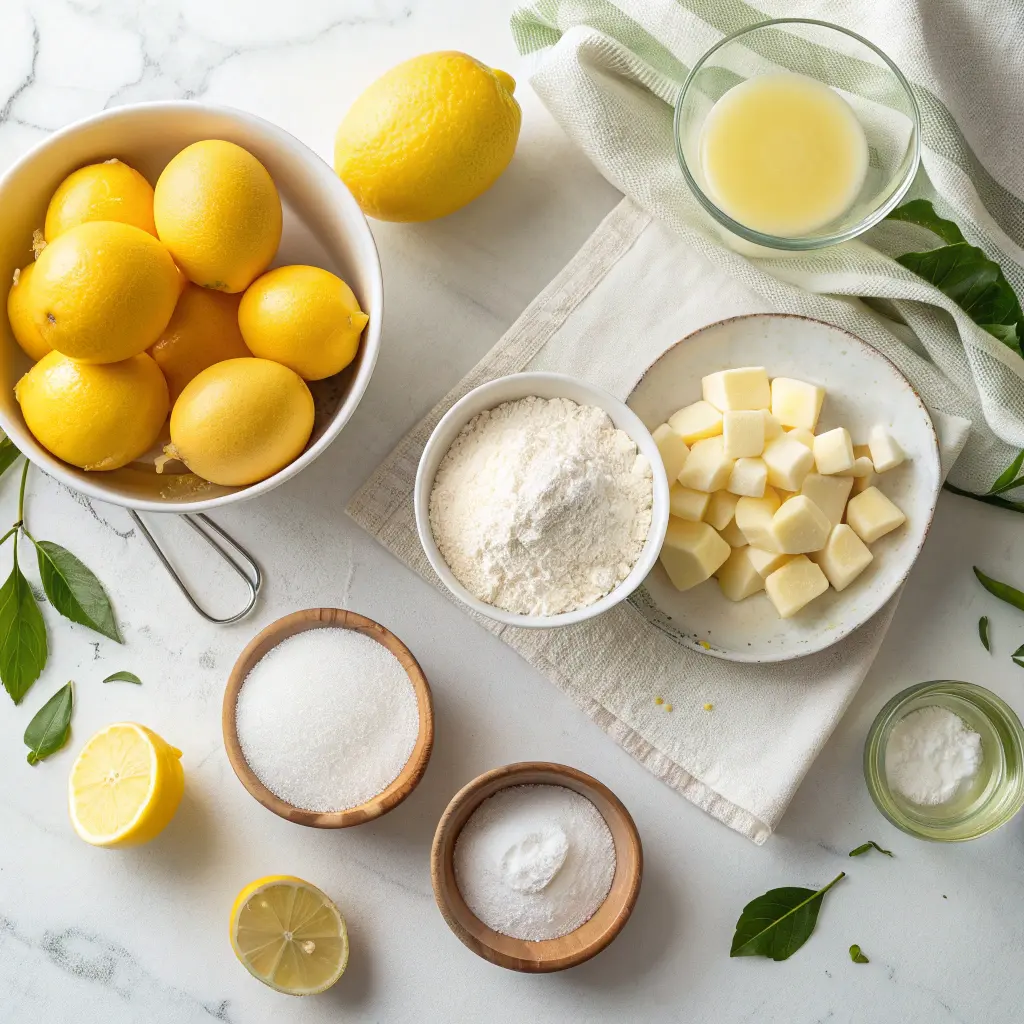
Below is the full ingredient list with both cup and gram measurements. Using a scale gives steady results, but cups work well when measured with care.
Ingredients
| Ingredient | Cups | Grams |
|---|---|---|
| All purpose flour | 2 1/4 cups | 270 g |
| Granulated sugar | 1 cup | 200 g |
| Unsalted butter, room temperature | 3/4 cup | 170 g |
| Large egg, room temperature | 1 | 50 g |
| Lemon zest | From 2 lemons | about 4 g |
| Fresh lemon juice | 2 tablespoons | 30 g |
| Baking soda | 1/2 teaspoon | 3 g |
| Salt | 1/4 teaspoon | 1.5 g |
| Vanilla extract | 1 teaspoon | 5 g |
Expert Tips
- Room temperature matters
Soft butter and a room temperature egg mix more smoothly. This helps the dough stay even and bake the same from batch to batch. - How to measure flour
Spoon flour into the cup, then level it with a flat edge. Scooping straight from the bag packs in too much flour and can make cookies dry.
The Secret to Cookie Texture: Flour Protein Matters
Not all all-purpose flour behaves the same, even when recipes use identical measurements. One of the most overlooked factors in cookie texture is flour protein content.
For lemon sugar cookies, flour with around 11% protein gives the best balance between structure and tenderness.
Why Protein Percentage Matters
Protein in flour forms gluten when mixed with liquid.
Too little protein → weak structure → cookies spread too much and turn flat
Too much protein → excess gluten → cookies become dense or tough
At around 11% protein, the dough has just enough strength to hold its shape while still baking up soft and tender.
- Butter choice
Unsalted butter gives better control over salt levels. If using salted butter, reduce added salt slightly. - Lemon flavor control
Fresh lemon juice gives a clean taste. Lemon extract can be added in small amounts, but too much can taste sharp and fake.
This setup builds a dough that is easy to handle and bakes into soft, chewy lemon sugar cookies with clean flavor.
Choosing the Right Lemon: Meyer Lemon vs Regular Lemon
The type of lemon you choose has a direct and noticeable impact on the final flavor of your lemon sugar cookies. While most recipes simply say “lemon,” professional bakers know that different lemons behave differently in baked goods, especially in cookies where flavor balance is subtle.
Understanding this distinction allows you to control acidity, aroma, and overall sweetness without changing the base recipe.
Regular Lemons (Eureka or Lisbon)
Regular lemons are the most commonly available type in grocery stores. They are high in acidity with a sharp, clean citrus profile.
In lemon sugar cookies, this type of lemon delivers a bright and classic lemon flavor that cuts through the sweetness of the dough. The zest contains strong essential oils, which remain noticeable even after baking.
What to expect in the cookies:
- A clear, vibrant lemon taste
- More contrast between sweet and tangy notes
- A fresher, slightly sharper finish
Best use cases:
- When you want a traditional lemon sugar cookie flavor
- For unfrosted cookies or simple sugar-rolled cookies
- When baking for readers who expect a bold lemon presence
Regular lemons are the safest choice when you want predictable, well-defined lemon flavor.
Meyer Lemons
Meyer lemons are a hybrid between a lemon and a mandarin orange. They are less acidic and naturally sweeter, with floral and subtle orange undertones.
In cookies, Meyer lemons create a rounder, softer citrus profile. The lemon flavor feels smoother and more dessert-forward, without the sharp tang of regular lemons.
What to expect in the cookies:
- A gentler citrus flavor
- Slight natural sweetness
- A softer, more aromatic finish
Best use cases:
- Frosted or glazed lemon sugar cookies
- Cookies meant to be delicate rather than punchy
- Bakery-style presentations where balance is key
Meyer lemons shine when you want lemon flavor that supports the cookie rather than dominates it.
How to Adjust the Recipe When Using Meyer Lemons
Because Meyer lemons are milder, the zest becomes even more important.
- Use the full amount of zest, or slightly more
- Do not reduce zest thinking the flavor will be strong enough
- Rub the zest into the sugar thoroughly to maximize aroma
The juice quantity can remain the same, but relying on juice alone will not give enough lemon impact.
A good test: before baking, the dough should smell clearly lemony. If the aroma feels weak, add a pinch more zest.
Which Lemon Should You Use?
- Choose regular lemons if you want a bold, classic lemon sugar cookie with a bright finish.
- Choose Meyer lemons if you prefer a softer, smoother, bakery-style lemon flavor.
Both work perfectly in this recipe. The difference is not about success or failure—it’s about flavor intention.
Step by Step Instructions
Follow these steps in order for cookies that bake evenly and keep a soft center.
Creaming the Butter and Sugar
Add the room temperature butter and lemon sugar to a large bowl. Mix until the texture looks light and fluffy. This step adds air, which helps the cookies stay soft.
Adding the Wet Ingredients
Mix in the egg, lemon juice, and vanilla extract. Stir until the mixture looks smooth and fully blended. Scrape down the sides of the bowl so everything mixes well.
Mixing the Dry Ingredients
Add the flour, baking soda, and salt. Mix just until no dry flour remains. Stop as soon as the dough comes together. Mixing too long can make cookies dense.
Scooping and Rolling
Use a cookie scoop, size 40 works well, to portion the dough. Roll each scoop lightly between your palms, then roll in granulated sugar if desired. This helps create a light crackle on top.
Baking
Place the dough balls on a baking sheet lined with parchment paper or a silicone mat. Leave space between each cookie. Bake until the edges look set and the tops show light cracks. The centers should still look soft when removed from the oven.
The Secrets to the Perfect Bake
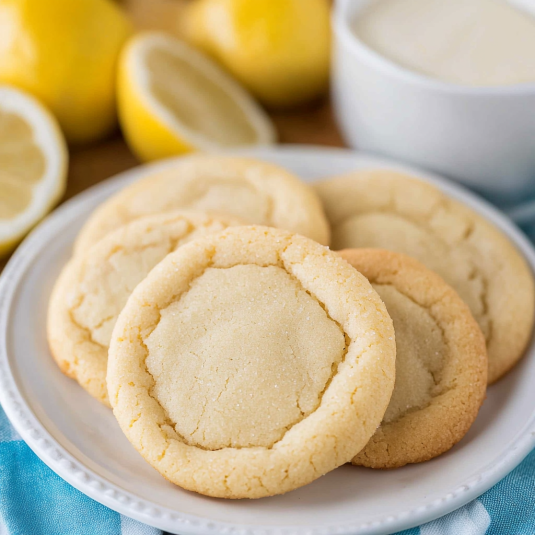
Small timing choices make a big difference in how these cookies turn out.
Chilling the Dough
Chilling the dough for 30 to 60 minutes helps control spread. Cold butter melts slower in the oven, so the cookies hold their shape and bake thicker. This short rest also lets the lemon zest flavor move through the dough, which leads to better taste.
If your kitchen is warm, chilling matters even more. Skipping this step often leads to flat cookies with thin centers.
Knowing When to Pull Them From the Oven
Lemon sugar cookies should look set on the edges but pale in the center when you remove them. The tops will show light cracks, and the surface will no longer look wet.
They continue to firm up as they cool on the baking sheet. Taking them out early keeps the centers soft and chewy instead of dry.
Customization and Variations
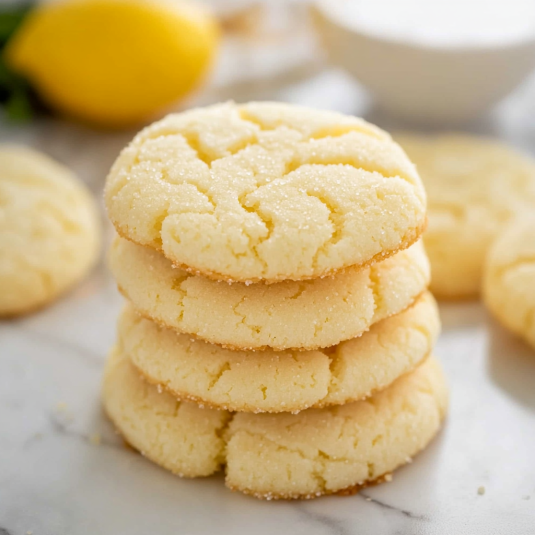
These lemon sugar cookies work well as is, but you can change the finish or ingredients to match your taste or needs.
Lemon Glaze Option
For a light topping, mix powdered sugar with fresh lemon juice until smooth and pourable. Drizzle over cooled cookies. This adds extra tang and keeps the cookie texture soft underneath.
Lemon Buttercream Option
If you prefer a richer finish, spread or pipe lemon buttercream on fully cooled cookies. Use butter, powdered sugar, lemon zest, and a small amount of lemon juice. This works well for parties or special events.
Plain Sugar Roll
Rolling the dough balls in plain granulated sugar before baking gives a crackled top and clean lemon taste. This is the best choice if you want the cookie flavor to stand on its own.
Gluten Free Swap
This recipe has worked well with Measure for Measure gluten free flour. Use the same weight as all purpose flour. The cookies may spread slightly less, but the texture stays soft when baked as directed.
These options let you adjust the cookies without changing the core dough, so results stay consistent every time.
Storage and Freezing Guide
Proper storage keeps lemon sugar cookies soft and fresh for days.
Storing Baked Cookies
Once the cookies are fully cool, place them in an airtight container. They stay soft at room temperature for up to five days.
For extra softness, add a small piece of plain bread to the container. The cookies absorb moisture from the bread, which helps keep the centers tender. Replace the bread if it becomes dry.
Freezing Baked Cookies
Baked cookies freeze well. Place them in a single layer until firm, then move them to a freezer safe container or bag. They keep their quality for up to three months.
Thaw at room temperature before serving. No reheating is needed.
Freezing Cookie Dough
You can also freeze the dough before baking. Scoop and roll the dough into balls, then freeze until solid. Store in a sealed freezer bag for up to three months.
When ready to bake, place the frozen dough balls on a lined baking sheet and bake straight from the freezer. Add one to two extra minutes to the bake time and check for set edges and soft centers.
Frequently Asked Questions
Why do sugar cookies need to be refrigerated?
Refrigerating the dough firms up the butter. This slows down how fast it melts in the oven. The result is cookies that bake thicker with better shape and texture.
Are my cookies undercooked or just soft?
If the edges are set and the centers look pale but not wet, they are baked correctly. Sugar cookies continue to set as they cool. A soft center is expected and desired for this recipe.
How long do sugar cookies need to chill?
Chilling for 30 to 60 minutes is enough for most kitchens. If the dough feels very soft or sticky, a full hour gives better control during baking.
What ingredient makes cookies soft?
Butter and sugar play the biggest role. Butter adds tenderness, while sugar holds moisture. Pulling the cookies from the oven before they brown also keeps them soft.
Can you freeze lemon sugar cookie dough?
Yes, this dough freezes very well. Scoop the dough into balls and freeze until solid. Store in a sealed bag for up to three months. Bake straight from frozen with a slightly longer bake time.